Maximum wheel base distance provided on Indian B.G. tracks, is
-
4.096 m -
5.096 m -
6.096 m -
7.096 m -
none of these.
Minimum depth of ballast prescribed of B.G. trunk lines of Indian Railways, is
-
20 cm -
15 cm -
25 cm -
30 cm -
35 cm
At a rail joint, the ends of adjoining rails, are connected with a pair of fish plates and
-
2 fish bolts -
4 fish bolts -
6 fish bolts -
8 fish bolts
Rails are bent to correct curvature if the degree of curve, is more than
-
1° -
2° -
3° -
4° -
6°
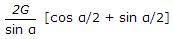
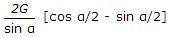
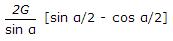
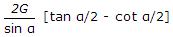
The difference in the lengths of two diagonals of a rail diamond is
The standard dimensions of a wooden sleeper for M.G. railway track are
-
2.74 m x 25 cm x 13 cm -
1.83 m x 20 cm x 11 cm -
1.52 m x 15 cm x 10 cm -
1.75 m x 20 cm x 12 cm -
none of these.
Wheels of a rolling stock are provided flanges on
-
outer side -
inner side -
both sides -
neither side.
The place where a railway line and a road cross each other at the same level, is known as
-
cross over -
railway junction -
road junction -
level crossing -
none of these.
Heel divergency, the distance between the running faces of stock rail and gauge face of tongue rail, as recommended for Indian B.G. tracks, is
-
100 mm -
119 mm -
125 mm -
155 mm -
135 mm
Minimum composite sleeper index for wooden sleepers used in cross-overs, is
-
1152 -
1252 -
1352 -
1452 -
none of these.
The grade compensation on B.G. tracks on Indian Railways, is
-
0.02% -
0.03% -
0.04% -
0.05% -
0.06%
Indian Railways detects the rail flow by
-
Mitsubish Rail flow dector -
Soni Rail flow dector -
Audi-gauge Rail flow detector -
Kraut Kramer Rail flow detector.
The standard width of ballast for B.G.track in Indian Railways, is kept
-
3.35 m -
3.53 m -
2.35 m -
2.53 m -
none of these.
The arrangement of rails which permit trains to cross another track and also to divert to the other track, is called
-
diamond crossing -
diamond crossing with single slip -
diamond crossing with double slip -
cross over.
On Indian Railways standard length of rails for B.G. track, is
-
33 ft (10.06 m) -
36 ft (10.97 m) -
39 ft (11.89 m) -
42 ft (12.8 m)
Type of switch rails generally adopted for modern track, is
-
straight switch -
curved switch -
loose heel switch -
bent switch.
The spike commonly used to fix rails to wooden sleepers in Indian railways, is
-
dog spike -
screw spike -
round spike -
all the above.
The overall length of a turn out is the distance between the end of stock rail and
-
heel of crossing -
actual nose of crossing -
throat of crossing -
toe of crossing.
Maximum cant deficiency prescribed on Indian Board Gauge Railways, is
-
40 mm -
50 mm -
75 mm -
100 mm -
25 mm
Width of the top portion of a flat footed, rail, is
-
69.85 mm -
63.50 mm -
66.77 mm -
136.52 mm -
none of these.
On Indian Railways, number of a crossing is defined as
-
sine of angle of crossing -
consine of angle of crossing -
tangent of angle of crossing -
contangent of angle of crossing.
On Indian Railways, angle of crossing between gauge faces of Vee, is generally calculated by
-
Cole's method -
Centre line method -
Isosceles triangle method -
both (a) and (b)
Anti-creep anchors are fixed to rails by
-
wedging -
spring grip -
clamping -
all the above.
Rail section is generally designated by its
-
total weight -
total length -
weight per metre length -
area of its cross-section.
Track construction involves preparation of
-
subgrade -
plate laying -
ballasting -
all the above.
The rail section which is not used on Indian Broad Gauge tracks, is
-
35 R -
40 R -
45 R -
55 R
The angle between the gauge faces of the stock rail and tongue rail, is called
-
switch angle -
angle of crossing -
angle of turnout -
none of these.
To achieve best performance, the type of switch preferred to, is
-
undercut switch -
straight-cut switch -
overriding switch -
both (a) and (b) -
none of these.
Heel of crossing is the line joining
-
ends of splice rail and point rail -
ends of lead rails butting the crossing -
ends of wing rails -
throat and actual nose of crossing.
If sleeper density is M + 7 form rails, the minimum depth of ballast under wooden sleepers (cm xcm), is
-
15 cm -
20 cm -
25 cm -
30 cm -
36 cm