Q.1.
Most crashes happen:
Q.2.
Helmets are:
Q.3.
When riding, you should:
Q.4.
When braking, you should use:
Q.5.
A motorcycle operator can slow down by:
Q.6.
Riding with a passenger:
Q.7.
After drinking, what lessens the effects of alcohol?
Q.8.
When carrying a passenger on a motorcycle, you must:
Q.9.
The best lane position:
Q.10.
A pre-ride inspection should be done:
Q.11.
As the motorcycle’s weight moves forward while braking, you:
Q.12.
What may help if you experience slippage of your drive chain?
Q.13.
When riding at night, a motorcyclist should maintain a minimum following distance of:
Q.14.
Gloves can:
Q.15.
What should a motorcyclist do to prevent possible injury when riding on a slippery surface?
Q.16.
Where is the greatest potential for conflict between a motorcycle and other traffic?
Q.17.
Which of the following is not important when looking for a motorcycle helmet?
Q.18.
To lean a motorcycle when making a turn, you should:
Q.19.
When approaching an object or uneven surface that you cannot avoid, you should:
Q.20.
The proper body position on a motorcycle:
Q.21.
A plastic, shatter-resistant face shield:
Q.22.
To increase your visibility, you should:
Q.23.
Use your mirrors when stopped at an intersection:
Q.24.
Which types of brakes do most motorcycles have?
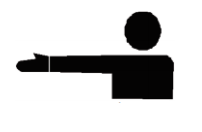
Q.25.
What does this hand signal mean?
Q.26.
In any crash, you have a better chance of avoiding serious injury if you do all of the following, except:
Q.27.
When it comes to motorcycle safety, you should:
Q.28.
Taking a turn too fast:
Q.29.
When packing a load on a motorcycle:
Q.30.
Passengers should: