Q.1.
When stopping, you should:
Q.2.
How do convex mirrors differ from regular mirrors?
Q.3.
You will get the most protection from a helmet if it is all of the following, except:
Q.4.
Since most crashes happen in daylight, you:
Q.5.
The safest part of the lane:
Q.6.
To properly control a motorcycle, you should:
Q.7.
When riding a motorcycle, it is important to:
Q.8.
To reduce the chances of a collision, a motorcyclist should:
Q.9.
When being passed, moving to the part of your lane that is farthest from the passing vehicle:
Q.10.
To make it easier to be seen by other motorists, you should:
Q.11.
When being passed, it is usually best for motorcyclists to be in which part of the lane?
Q.12.
When scanning the area around your motorcycle, you should:
Q.13.
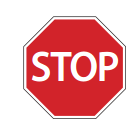
What does this sign mean?
Q.14.
When nearing a blind intersection, you should:
Q.15.
If you will be carrying a passenger on your motorcycle, you will likely have to:
Q.16.
When riding a motorcycle:
Q.17.
When approaching a blind intersection, you should:
Q.18.
When carrying a load, it should be:
Q.19.
When riding with a group of motorcyclists, a staggered formation:
Q.20.
When riding at night, you should:
Q.21.
If you are being passed, you should:
Q.22.
If your front wheel locks while you are stopping, you should:
Q.23.
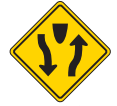
What does this sign mean?
Q.24.
The Motorcycle Safety Foundation recommends a SEE strategy to make safe judgments while riding. What does "SEE" stand for?
Q.25.
A primary cause of single-vehicle motorcycle collisions is: