Q.1.
An engine will seize due to:
Q.2.
When entering a turn, you should:
Q.3.
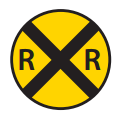
What does this sign mean?
Q.4.
In areas where dangers could be present, a motorcyclist should:
Q.5.
Taking a turn too fast can cause a rider to:
Q.6.
A motorcyclist may not place a toll road transponder:
Q.7.
Upshifting or downshifting in a curve:
Q.8.
One problem with a motorcyclist riding directly next to another vehicle is that:
Q.9.
When riding on a highway, a motorcyclist should signal _______ before changing lanes.
Q.10.
When passing a vehicle, you:
Q.11.
When motorcyclists ride in a group:
Q.12.
Which material provides the best protection in the case of a crash?
Q.13.
A plastic, shatter-resistant face shield can protect you from:
Q.14.
When crossing angled railroad tracks, it is usually best to:
Q.15.
When riding a motorcycle, you should:
Q.16.
The human body removes alcohol at a rate of:
Q.17.
You have an improved chance of avoiding serious injury in a crash if you wear:
Q.18.
How should you brake?
Q.19.
When passing a row of parked cars, you should:
Q.20.
When slowing or stopping a motorcycle, you should:
Q.21.
When riding near a truck:
Q.22.
Compared to a car, a motorcycle needs _____ attention.
Q.23.
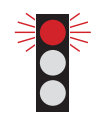
What does a flashing red traffic light mean?
Q.24.
What type of footwear is the best for motorcycle riders?
Q.25.
The best clothing for a motorcyclist:
Q.26.
The key to making a quick turn is to:
Q.27.
A motorcyclist should attempt to avoid obstacles on the roadway. If avoiding an obstacle is not possible, the motorcyclist should:
Q.28.
To reduce the chances of a collision, a motorcyclist should:
Q.29.
When taking a curve while riding in a group, you should be in:
Q.30.
The normal recommended following distance should be extended if: