Q.1.
Driving at night requires increased caution because:
Q.2.
You may pass another vehicle:
Q.3.
You are waiting to turn left at a multilane intersection and opposing traffic is blocking your view. You should:
Q.4.
A good rule to remember for passing is:
Q.5.
What is the first thing you should adjust, if needed, when you get into a car to drive?
Q.6.
Your blind spot is the area of the road:
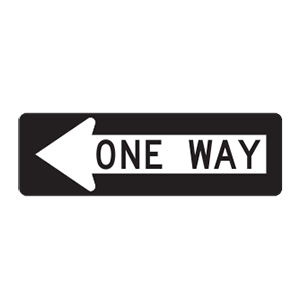
Q.7.
This sign means:
Q.8.
When entering a street from a driveway, you:
Q.9.
You are involved in an accident. You should:
Q.10.
When a stop is required at an intersection and no markings appear to indicate a stop line or crosswalk, a driver:
Q.11.
You may honk your horn when you:
Q.12.
When driving near heavy trucks, other drivers and highway users must make allowances for:
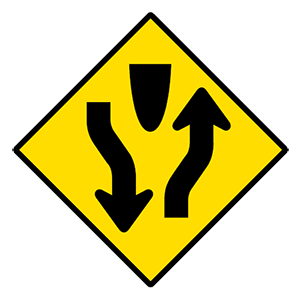
Q.13.
This road sign means:
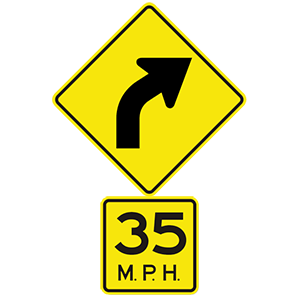
Q.14.
This road sign means:
Q.15.
When a vehicle with an Anti-Lock Braking System starts to lose traction on a slippery road, drivers should:
Q.16.
You are driving on a busy street and your vehicle’s accelerator sticks open. You should:
Q.17.
A pedestrian starts to cross in front of your vehicle. You should:
Q.18.
At dusk or on overcast days, you should:
Q.19.
The best way to avoid hydroplaning is to:
Q.20.
When driving on major highways:
Q.21.
On a road which has no sidewalks, a pedestrian should walk on the:
Q.22.
When driving in fog:
Q.23.
You must pull over to the edge of the road and allow an emergency vehicle to pass:
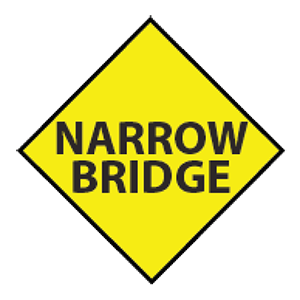
Q.24.
This sign means:
Q.25.
When driving near a blind pedestrian who is carrying a white cane or using a guide dog, you should: