Q.1.
When a bicyclist is making a left turn:
Q.2.
At an intersection with a yield sign, you:
Q.3.
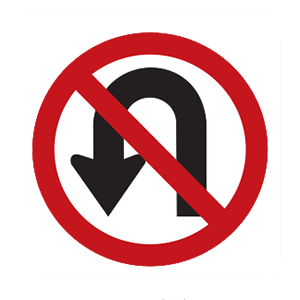
This road sign means:
Q.4.
Stopping distances and the severity of collisions:
Q.5.
If a traffic signal light is green and a police officer signals for you to stop, you should:
Q.6.
What is a potential effect of taking a prescription drug while drinking alcohol?
Q.7.
You may not park within how many feet of a stop sign?
Q.8.
A vehicle suddenly cuts in front of you, creating a hazard. What should you do first?
Q.9.
"No passing zone" signs tell drivers:
Q.10.
If you are being passed in a no passing zone, you should:
Q.11.
Before changing lanes or attempting to pass another vehicle, you should:
Q.12.
To avoid traction loss on wet roads, you should:
Q.13.
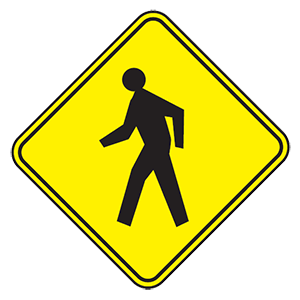
This sign means:
Q.14.
Which of the following statements about blind spots is true?
Q.15.
Drivers turning left must yield to:
Q.16.
At intersections, crosswalks, and railroad crossings, you should always:
Q.17.
Construction zone signs are generally:
Q.18.
When taking any medicine, you should:
Q.19.
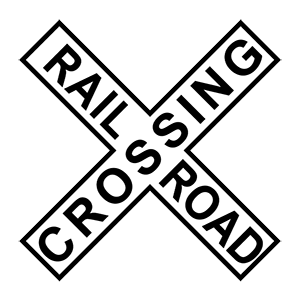
This white sign means:
Q.20.
Backing your vehicle is:
Q.21.
If weather or light conditions require you to have your lights on while driving:
Q.22.
Signs and lane markings that indicate a no passing zone tell you that:
Q.23.
Having a driver license is a:
Q.24.
When entering traffic after being parked at a curb, you:
Q.25.
You are coming to an intersection with a flashing red light. You should: