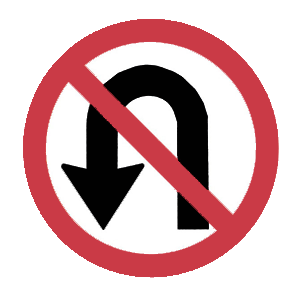
Q.1.
This road sign means:
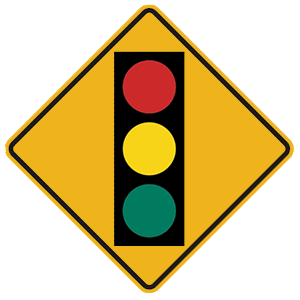
Q.2.
What is the meaning of this sign?
Q.3.
As you near an intersection, the traffic light changes from green to yellow. Your best action is to:
Q.4.
You need to use extra caution when driving near a pedestrian using a white cane because:
Q.5.
When passing other vehicles:
Q.6.
To avoid being in a truck or bus driver’s blind spot, you should:
Q.7.
When approached by an emergency vehicle that is using its siren and/or flashing lights, a driver must immediately:
Q.8.
If you need to stop quickly and your vehicle is not equipped with an Anti-Lock Braking System (ABS), you should:
Q.9.
A speed limit is:
Q.10.
If two vehicles arrive to an uncontrolled intersection at the same time:
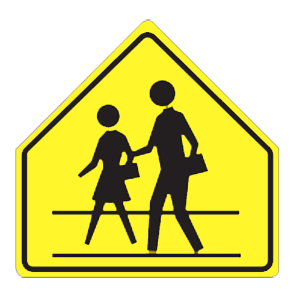
Q.11.
This sign means:
Q.12.
A slow-moving vehicle emblem is:
Q.13.
On slippery roads, you should:
Q.14.
You may cross double solid yellow lines:
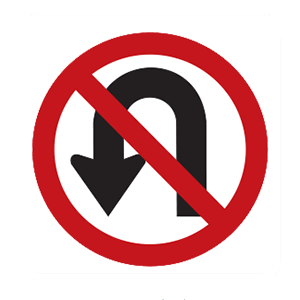
Q.15.
This sign means:
Q.16.
Follow the vehicle ahead of you at a distance of at least:
Q.17.
You are driving on the roadway and hear a siren behind you. You should:
Q.18.
If you become stranded in a snowstorm, the best thing to do is to:
Q.19.
You are waiting to turn left at a multilane intersection and opposing traffic is blocking your view. You should:
Q.20.
The act of turning your head and checking your blind spot before changing lanes, driving away from a curb, or merging your vehicle into traffic is:
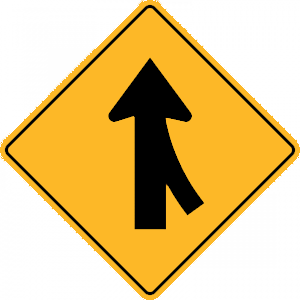
Q.21.
This sign means:
Q.22.
As alcohol builds up in your blood, it:
Q.23.
Newer vehicles have equipment warning lamps installed on the instrument panel. Which of the following statements is correct?
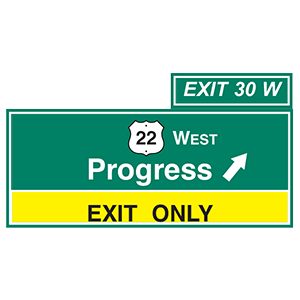
Q.24.
If you see this sign above your lane, you:
Q.25.
The most effective safety restraints in a traffic crash are:
Q.26.
You come to an intersection that is blocked by other traffic. You should:
Q.27.
Which statement about speed is true?
Q.28.
You must yield to other drivers:
Q.29.
If an approaching train is near enough or going fast enough to be a danger, you must:
Q.30.
If one of your tires blows out as you are driving, you should: