Q.1.
If your wheels drop off the roadway or pavement edge, you should:
Q.2.
When driving in fog, rain, or snow, use:
Q.3.
If you have trouble seeing other vehicles because of dust or smoke blowing across the roadway, you should drive more slowly and turn on your:
Q.4.
If a child is about to run into the street, you should:
Q.5.
Signs with orange backgrounds are:
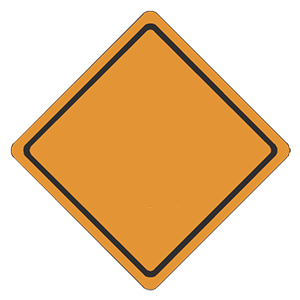
Q.6.
This sign means:
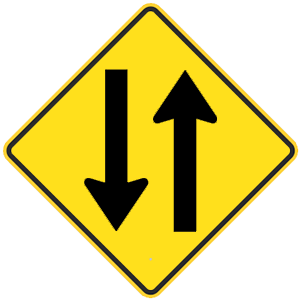
Q.7.
You are driving on a one-way street. You may only turn left onto another one-way street if:
Q.8.
When you see a flashing yellow light at an intersection, you should:
Q.9.
If oncoming headlights are blinding you while you are driving at night, you should:
Q.10.
This sign means:
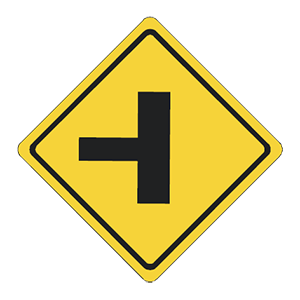
Q.11.
This sign means:
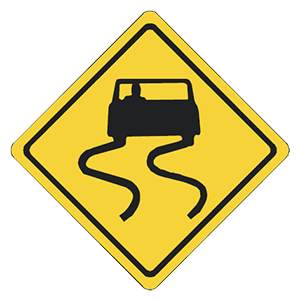
Q.12.
A vehicle suddenly cuts in front of you, creating a hazard. What should you do first?
Q.13.
This sign means:
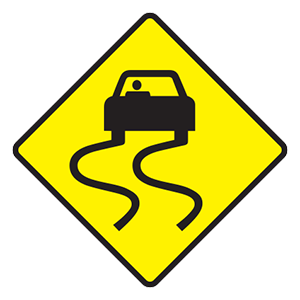
Q.14.
An instructional permit allows you to:
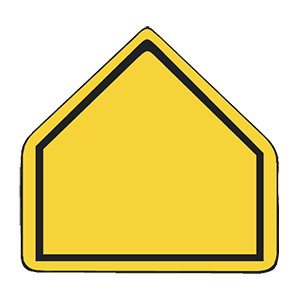
Q.15.
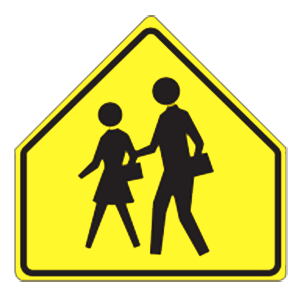
A pentagon-shaped sign is a:
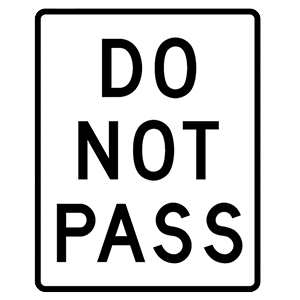
Q.16.
This white sign means you should not pass other vehicles:
Q.17.
Which of the following statements about blind spots is true?
Q.18.
This white sign means:
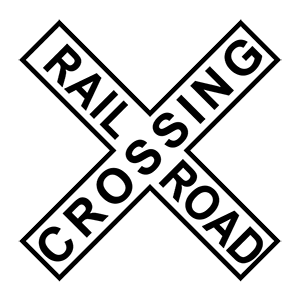
Q.19.
When passing a row of parked vehicles, you should:
Q.20.
Which of these is a safe driving technique?
Q.21.
Which of the following statements about blind spots is true?
Q.22.
What does this road sign indicate?
Q.23.
Check your rearview mirrors:
Q.24.
You are approaching an intersection at the posted speed limit when the signal turns yellow. You should:
Q.25.
A U-turn is not permitted: