Q.1.
A DOT-compliant helmet:
Q.2.
When you are being passed, you should:
Q.3.
Smaller vehicles appear to be ________ and slower than they really are.
Q.4.
What can remove alcohol from a person's system?
Q.5.
To lessen the chances of a crash occurring, you should:
Q.6.
When riding behind another vehicle, you should position yourself:
Q.7.
If you borrow a motorcycle, you should:
Q.8.
When passing a vehicle, you:
Q.9.
If the front wheel locks, you should:
Q.10.
If you must brake and swerve to avoid danger, you should:
Q.11.
To control a motorcycle well, you should:
Q.12.
What does an integrated braking system do?
Q.13.
Of the following, which is not a reason to keep a cushion of space between your motorcycle and the vehicle in front of you?
Q.14.
For motorcycle operators, eye protection is:
Q.15.
Locking your brakes can:
Q.16.
The Motorcycle Safety Foundation recommends a SEE strategy to make safe judgments while riding. What does "SEE" stand for?
Q.17.
When parked on the road, a motorcycle should:
Q.18.
Your lane position should do all of the following, except:
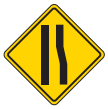
Q.19.
What does this sign mean?
Q.20.
When riding at night, maintain a minimum following distance of:
Q.21.
When it starts to rain, it is usually best to:
Q.22.
A passenger on a motorcycle should:
Q.23.
To properly control a motorcycle, you should:
Q.24.
There is the greatest potential for conflict between a motorcycle and other traffic:
Q.25.
It is illegal to operate a motorcycle with a minimum blood alcohol content (BAC) of: