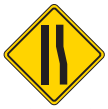
Q.1.
What does this sign mean?
Q.2.
To reduce the chances of a collision, a motorcyclist should:
Q.3.
When braking on a motorcycle:
Q.4.
If your rear wheel locks up while you are stopping on a surface with good traction, you should:
Q.5.
Riding directly alongside another vehicle is:
Q.6.
If you need to react to a hazard in the road, do not:
Q.7.
When riding with a passenger on your motorcycle, you should instruct the passenger to:
Q.8.
Your lane position should:
Q.9.
What does this sign mean?
Q.10.
Eye protection:
Q.11.
Before starting a turn, a motorcyclist should change gears to:
Q.12.
Which of the following is not a potential problem?
Q.13.
In the center of a traffic lane, there is usually an oily strip. Motorcyclists should:
Q.14.
To be effective, eye or face shield protection must:
Q.15.
If riding during the day, you should wear:
Q.16.
When wearing a jacket for protection, the jacket should:
Q.17.
If you have a passenger aboard your motorcycle, you should do all of the following, except:
Q.18.
A DOT-compliant helmet:
Q.19.
If riding during the day, you should wear:
Q.20.
Passengers should:
Q.21.
If your front wheel locks while you are braking, you should:
Q.22.
When being passed by another vehicle, you should travel in:
Q.23.
If wearing a jacket for protection while riding in hot weather, you should:
Q.24.
A pre-ride inspection:
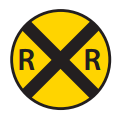
Q.25.
What does this sign mean?