Q.1.
When traveling on a motorcycle with a sidecar, the passenger should ride:
Q.2.
When riding with a passenger, you should:
Q.3.
Most crashes occur during the day. To lessen the chance of being involved in a crash, you should:
Q.4.
In general, riders should:
Q.5.
Riding directly alongside another vehicle:
Q.6.
If your motorcycle starts to wobble, you should:
Q.7.
The center portion of a lane usually contains an oily strip. This part of the lane is:
Q.8.
Since most crashes happen during daylight hours, you should:
Q.9.
When you are being passed by a vehicle on your left, you should:
Q.10.
All of the following will lessen your chances of being involved in an accident, except:
Q.11.
When riding in a lane of traffic, a motorcycle operator:
Q.12.
Riding alongside another rider:
Q.13.
Your lane position should:
Q.14.
Riding directly alongside another vehicle is discouraged because:
Q.15.
The control for the rear brake is usually located:
Q.16.
What can you do to increase your chances of being seen at an intersection?
Q.17.
When riding a motorcycle, you should:
Q.18.
A major effect of alcohol consumption is:
Q.19.
Where is the greatest potential for conflict between a motorcycle and other traffic?
Q.20.
Motorists entering a highway from an entrance ramp to your right may not see your motorcycle. To help the entering drivers, you should:
Q.21.
If your front tire locks while braking, you should:
Q.22.
It is best to not ride directly alongside another vehicle because:
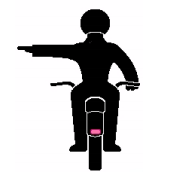
Q.23.
When an operator's left arm is extended straight out to the left, it means the operator:
Q.24.
How often should a motorcycle operator check their mirrors?
Q.25.
Helmeted riders are ________ more likely to survive than those not wearing helmets at the time of a crash.