Q.1.
Under normal riding conditions, one of the best ways to help others see your motorcycle is:
Q.2.
Which of the following is not a factor in determining a person's blood alcohol content (BAC)?
Q.3.
When selecting a jacket that will be used as protective apparel, a motorcycle rider should look for a jacket that is:
Q.4.
The Motorcycle Safety Foundation recommends a SEE strategy to make safe judgments while riding. What does "SEE" stand for?
Q.5.
When approaching a blind intersection with a stop sign, riders should:
Q.6.
When traveling at night, it is:
Q.7.
A plastic, shatter-resistant face shield:
Q.8.
To control a motorcycle well, you should:
Q.9.
Taking over-the-counter medication before riding:
Q.10.
When you must brake and swerve to avoid a hazard, you should:
Q.11.
Wearing which of the following colors will make you less visible to other motorists?
Q.12.
When carrying a load, it should be:
Q.13.
What does an integrated braking system do?
Q.14.
How many alcoholic drinks need to be consumed before the drinker's riding ability is affected?
Q.15.
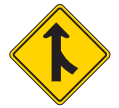
What does this sign mean?
Q.16.
How should you brake?
Q.17.
You are riding over bridge gratings and your motorcycle has begun to weave. You should:
Q.18.
When riding in a group, riders should:
Q.19.
If bright sunlight makes it difficult for drivers to see a motorcycle's mechanical turn signals, the rider should:
Q.20.
To execute a turn safely, a motorcycle rider should always:
Q.21.
If you have a passenger aboard your motorcycle, you should do all of the following, except:
Q.22.
When sitting on a motorcycle, your arms should:
Q.23.
Compared to a car, a motorcycle needs _____ attention.
Q.24.
When riding over scored pavement in a work zone, you should:
Q.25.
When riding a motorcycle, you should: