Q.1.
When making a U-turn:
Q.2.
When riding a motorcycle, your lane position:
Q.3.
When attempting to pass another vehicle, you should:
Q.4.
When riding at night, maintain a minimum following distance of:
Q.5.
__________ can be a cause of collisions involving motorcycles.
Q.6.
When changing lanes:
Q.7.
If another driver makes eye contact with you:
Q.8.
When passing a vehicle, you:
Q.9.
Which of the following is not a potential problem?
Q.10.
What does this sign mean?
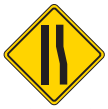
Q.11.
Long-term exposure to wind noise:
Q.12.
You should maintain an increased following distance:
Q.13.
Instruct your passenger to do all of the following, except:
Q.14.
Of the following, which is not something you should consider when choosing clothing for riding?
Q.15.
A motorcyclist should attempt to avoid obstacles on the roadway. If avoiding an obstacle is not possible, the motorcyclist should:
Q.16.
If the front wheel locks, you should:
Q.17.
When entering a curve, you should position your motorcycle:
Q.18.
When looking through a turn, you should:
Q.19.
Who is required to wear a helmet on a moving motorcycle?
Q.20.
You approach an emergency vehicle that is stopped on the side of the road while using its flashing lights. You should:
Q.21.
When a motorcyclist needs to stop quickly, they should:
Q.22.
When approaching a blind intersection, riders should:
Q.23.
Your lane position should:
Q.24.
A proper lane position should do all of the following, except:
Q.25.
What should be your first consideration when buying a motorcycle helmet?