Q.1.
When slowing or stopping a motorcycle, you should:
Q.2.
Before riding, a motorcycle operator should check the clutch. A properly working clutch should feel:
Q.3.
When consumed together, the effects of alcohol and drugs:
Q.4.
Where is the greatest potential for conflict between you and other vehicles?
Q.5.
Using both brakes:
Q.6.
A sign that your front tire has gone flat is that your steering suddenly feels:
Q.7.
Passengers should:
Q.8.
When stopping, you should:
Q.9.
Which of the following is an example of a potentially slippery surface?
Q.10.
Where is the greatest potential for conflict between you and other vehicles?
Q.11.
If you must stop quickly, you should:
Q.12.
Of the following, which is not a reason to keep a cushion of space between your motorcycle and the vehicle in front of you?
Q.13.
What does this sign mean?
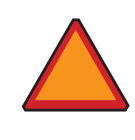
Q.14.
If your front wheel locks while you are braking, you should:
Q.15.
The key to making a quick turn is to:
Q.16.
You will get the most protection from a helmet if it is all of the following, except:
Q.17.
When you are being passed, you should:
Q.18.
Which brake is more powerful on a motorcycle?
Q.19.
When positioning your body on the motorcycle:
Q.20.
When approaching an intersection, a motorcyclist should not:
Q.21.
A good way to handle a tailgater is to:
Q.22.
When being passed, you should ride in:
Q.23.
Footrests:
Q.24.
The faster you drink alcohol:
Q.25.
An ideal lane position should: