Q.1.
When riding at night:
Q.2.
When wearing a helmet at the time of a crash, a rider is:
Q.3.
When carrying a passenger, a motorcycle takes:
Q.4.
Mirrors on motorcycles:
Q.5.
As you approach a blind intersection, you should:
Q.6.
If you are being passed, you should:
Q.7.
Passengers should:
Q.8.
Footrests:
Q.9.
To shift up to a higher gear, you must:
Q.10.
To help others see your motorcycle, you should:
Q.11.
Using all three lane positions is:
Q.12.
What should you do if you must ride on a slippery surface?
Q.13.
What should be your first consideration when buying a motorcycle helmet?
Q.14.
Smaller vehicles appear to be ________ and slower than they really are.
Q.15.
As a rider, you can lessen your chances of being involved in an accident by:
Q.16.
When riding at night:
Q.17.
When choosing a helmet, you should ensure that it:
Q.18.
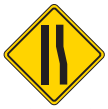
What does this sign mean?
Q.19.
The best clothing for a motorcyclist:
Q.20.
The front brake supplies about how much of a motorcycle's potential stopping power?
Q.21.
Before riding, a motorcycle operator should check the clutch. A properly working clutch should feel:
Q.22.
The best way to stop quickly is to:
Q.23.
When riding in a group, motorcyclists should generally travel:
Q.24.
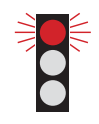
What does a flashing red traffic light mean?
Q.25.
Oil drippings and debris often collect in ______ of a lane.
Q.26.
In areas where dangers could be present, a motorcyclist should:
Q.27.
For motorcycle operators, helmets are:
Q.28.
A person with a minimum blood alcohol content (BAC) of ____ is considered intoxicated.
Q.29.
If passing another vehicle:
Q.30.
You should maintain an increased following distance: