Q.1.
When passing a row of parked cars, you should:
Q.2.
When preparing to pass a vehicle on the left, you should ride in which portion of the lane?
Q.3.
Eye protection is required for:
Q.4.
Helmets are:
Q.5.
If vehicles or other potential hazards are to your right, you should ride on which side of your lane?
Q.6.
Convex mirrors:
Q.7.
When traveling at night, you should:
Q.8.
Before starting out, you should make sure the fuel valve is:
Q.9.
To reduce the chances of a collision, a motorcyclist should:
Q.10.
A plastic, shatter-resistant face shield can protect you from:
Q.11.
Your lane position should do all of the following, except:
Q.12.
When approaching a blind intersection, riders should:
Q.13.
Taking a turn too fast can cause a rider to:
Q.14.
When entering a curve, you should position your motorcycle:
Q.15.
A pre-ride inspection:
Q.16.
If you will be carrying a passenger on your motorcycle, you will likely have to:
Q.17.
To properly control a motorcycle, you should:
Q.18.
When parked on the road, a motorcycle should:
Q.19.
When riding with a group of motorcyclists, a staggered formation:
Q.20.
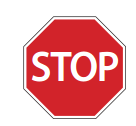
What does this sign mean?
Q.21.
The center portion of a lane contains an oily strip. This strip:
Q.22.
If another driver makes eye contact with you:
Q.23.
If possible, do not ride directly next to another vehicle because:
Q.24.
If you have a passenger aboard your motorcycle, you should do all of the following, except:
Q.25.
If you accidentally lock your rear brake on a good traction surface, you should: