Q.1.
To execute a turn safely, a motorcycle rider should always:
Q.2.
When riding over grooved pavement in a work zone, you should:
Q.3.
Before starting a turn, a motorcyclist should change gears to:
Q.4.
Hearing protection:
Q.5.
Having only one alcoholic drink before riding:
Q.6.
Part of your normal scanning routine while riding should include:
Q.7.
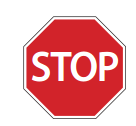
What does this sign mean?
Q.8.
A benefit of keeping a cushion of space between you and surrounding vehicles is that:
Q.9.
You should maintain an increased following distance:
Q.10.
Before riding, a motorcycle operator should check the clutch. A properly working clutch should feel:
Q.11.
When riding behind a car, traveling in the left third of the lane allows the driver to see you in their side mirror. What is a downside to this?
Q.12.
Which of the following is not a factor in how quickly a person’s blood alcohol concentration (BAC) increases?
Q.13.
When carrying a passenger, a motorcycle responds to directional changes:
Q.14.
In general, which position within a lane is the best to ride in?
Q.15.
When starting your motorcycle, the engine should be in:
Q.16.
When nearing a blind intersection, you should:
Q.17.
A moped's engine may have a maximum displacement of:
Q.18.
Making eye contact with another driver:
Q.19.
As you approach a blind intersection, you should:
Q.20.
As your motorcycle accelerates, you will need to:
Q.21.
People under the age of 21 can be arrested for riding with a minimum blood alcohol concentration (BAC) of:
Q.22.
When preparing to ride with a passenger, instruct the passenger to:
Q.23.
The risk of a head or neck injury is reduced:
Q.24.
When stopping your motorcycle while carrying a passenger, you should:
Q.25.
If you are passing a row of parked vehicles to your right and there is no oncoming traffic to your left, you should ride: