Q.1.
Which of the following is an example of a potentially slippery surface?
Q.2.
A primary cause of single-vehicle motorcycle collisions is:
Q.3.
When looking through a turn, you should:
Q.4.
When preparing to pass a vehicle on the left, you should ride in which portion of the lane?
Q.5.
When consumed together, the effects of alcohol and drugs:
Q.6.
You should operate the engine cut-off switch and pull in the clutch when:
Q.7.
The best way to stay out of trouble while riding a motorcycle is to:
Q.8.
When passing a vehicle, you:
Q.9.
Which of the following is not recommended as protective apparel for motorcycle users?
Q.10.
Should you wear gloves while riding a motorcycle?
Q.11.
As your motorcycle increases speed, you will:
Q.12.
An engine will seize due to:
Q.13.
When riding over scored pavement in a work zone, you should:
Q.14.
To make it easier to be seen by other motorists, you should:
Q.15.
What does this sign mean?
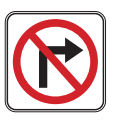
Q.16.
A flat front tire is especially dangerous because:
Q.17.
Whichever style of helmet you choose, you will get the most protection by ensuring that your helmet:
Q.18.
An ideal lane position should:
Q.19.
Under normal conditions, a motorcyclist should maintain a following distance of at least:
Q.20.
You will get the most protection from a helmet if it is all of the following, except:
Q.21.
Smaller vehicles appear to be ________ and slower than they really are.
Q.22.
The front brake supplies about how much of a motorcycle's potential stopping power?
Q.23.
When riding on a slippery surface, you should:
Q.24.
What does this sign mean?
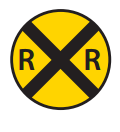
Q.25.
Which of the following materials provides the best protection for motorcycle riders?