Q.1.
If a dog is chasing your motorcycle, you should:
Q.2.
Noise created by wind:
Q.3.
You should flash your brake light to:
Q.4.
If bright sunlight makes it difficult for drivers to see a motorcycle's mechanical turn signals, the rider should:
Q.5.
Locking your brakes can:
Q.6.
If you have a passenger aboard your motorcycle, you should do all of the following, except:
Q.7.
Before a ride, a motorcycle operator should check the throttle. The throttle should:
Q.8.
Before riding, a motorcycle operator should check the clutch. A properly working clutch should feel:
Q.9.
If riding during the day, you should wear:
Q.10.
Reflective, brightly-colored helmets and clothing:
Q.11.
When traveling at night, you should:
Q.12.
Under normal riding conditions, one of the best ways to help others see your motorcycle is:
Q.13.
When entering a curve, you should position your motorcycle:
Q.14.
When selecting a jacket that will be used as protective apparel, a motorcycle rider should look for a jacket that is:
Q.15.
The oily strip down the center of a lane:
Q.16.
The formation you should take when riding in a group:
Q.17.
You have an improved chance of surviving a crash if you wear:
Q.18.
Which of the following materials provides the best protection for motorcycle riders?
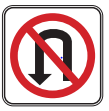
Q.19.
What does this sign mean?
Q.20.
Mirrors on motorcycles:
Q.21.
When motorcyclists ride in a group:
Q.22.
A DOT-compliant helmet:
Q.23.
High Occupancy Vehicle (HOV) lanes:
Q.24.
If your front wheel locks while you are stopping, you should:
Q.25.
Compared to a car, a motorcycle needs _____ attention.
Q.26.
Use your mirrors when stopping at an intersection:
Q.27.
The risk of a head or neck injury is reduced:
Q.28.
A person with a minimum blood alcohol content (BAC) of ____ is considered legally intoxicated.
Q.29.
To avoid confusing other drivers, you should:
Q.30.
When being followed by a tailgater, you should: