Q.1.
When driving at speeds undermph, keep a minimum following distance of:
Q.2.
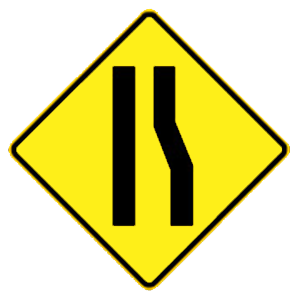
This sign means:
Q.3.
When involved in an accident, you should provide:
Q.4.
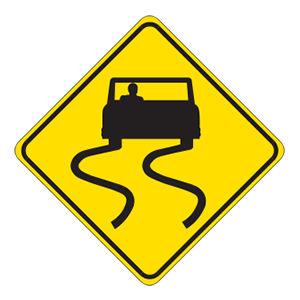
This sign means:
Q.5.
If your wheels drop off the pavement and onto the shoulder of the road, you should:
Q.6.
A stop sign is shaped like a(n):
Q.7.
When driving in fog:
Q.8.
If you miss your exit on an interstate expressway:
Q.9.
Don’t follow other cars too closely because:
Q.10.
Always signal when:
Q.11.
Defensive drivers should:
Q.12.
If an officer is directing traffic at a working traffic light, drivers should:
Q.13.
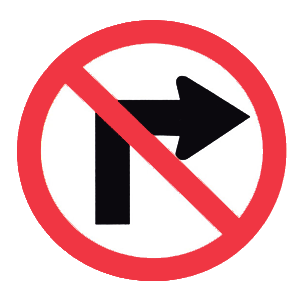
This sign means:
Q.14.
If one of your tires blows out as you are driving, you should:
Q.15.
When making a right turn, you should not:
Q.16.
Night driving can be more difficult than driving during the day because:
Q.17.
Shared lanes may be used by:
Q.18.
Railroad crossings should always be considered:
Q.19.
When driving at speeds faster thanmph, keep a minimum following distance of:
Q.20.
You may avoid the risks of alcohol-related crashes by:
Q.21.
At a light rail intersection, always:
Q.22.
Allow a larger space cushion than usual when stopping:
Q.23.
When driving on an interstate:
Q.24.
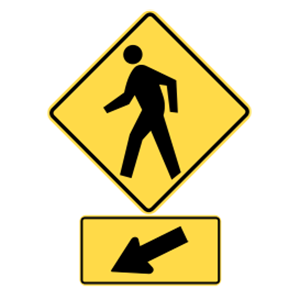
This sign means:
Q.25.
When getting ready to change lanes, you should:
Q.26.
To avoid road rage, it is a good idea to:
Q.27.
It is important to be alert to motorcycles because:
Q.28.
When changing lanes, you can check your blind spots by:
Q.29.
You may park directly across the street from the entrance of a fire station:
Q.30.
Unless otherwise posted, the speed limit in an alley is: