MCQGeeks
CBSE
JEE
NTSE
NEET
English
UK Quiz
Quiz
Driving Test
Practice
Games
Driving Test
Texas
Texas Car Driving Permit Test-3
Answers
Q.1.
Which of the following does not happen after drinking?
Your reflexes and reaction time slow down.
Your judgement of speed and distance is distorted.
You are less alert.
You calm down and can concentrate better.
Q.2.
Which of the following commonly causes traffic accidents?
Inattentive driving
Excessive speed under the driving conditions
Following other vehicles too closely
All of the above
Q.3.
Drivers may not park within ____ of a railroad crossing.
50 feet
65 feet
100 feet
80 feet
Q.4.
When driving in a construction zone, you should be prepared:
To stop.
To change lanes.
For unexpected movement from workers or equipment.
All of the above.
Q.5.
This sign is a warning that you are approaching:
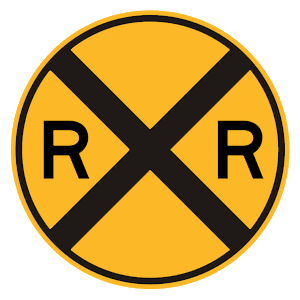
An intersection.
A crosswalk.
A railroad crossing.
A blasting zone.
Q.6.
When a traffic signal light turns green, you should:
Yield the right-of-way to pedestrians.
Accelerate as quickly as possible.
Back up slowly.
Not move until another driver waves you on.
Q.7.
It is illegal to follow within ____ of a fire truck that is sounding its siren.
One mile
1,000 feet
750 feet
500 feet
Q.8.
You are driving on a busy street and your vehicle’s accelerator sticks open. You should:
Blow your horn.
Slam on your brakes.
Turn on your four-way flashers.
Turn off your ignition, taking care not to engage the steering wheel locking mechanism.
Q.9.
Driving while being distracted by any activity:
Is never dangerous.
Usually causes the driver to react more slowly to hazards.
Usually causes the driver to drive faster.
Is only dangerous for young drivers.
Q.10.
You must stop at an intersection when you see a:
Flashing red light.
Steady yellow light.
Yellow arrow.
Flashing yellow light.
Q.11.
A “No stopping” sign means that, unless directed to do so by a police officer, you may stop only:
Long enough to unload packages.
To avoid conflict with other traffic.
To discharge passengers.
For less than five minutes.
Q.12.
Which of the following statements is true?
Signal at least 100 feet before changing lanes to pass and ensure there is no oncoming traffic.
Use your mirrors and look over your left shoulder to check your blind spot when passing to the left.
When passing, wait until you can see both headlights of the passed car in your rearview mirror before returning to your original lane.
All of the above.
Q.13.
An octagonal sign is always a:
Speed limit sign.
Stop sign.
Hospital sign.
Railroad warning sign.
Q.14.
You cannot pass safely on a two-way, two-lane street unless:
You are able to clearly see the road ahead.
You can return to your lane before meeting oncoming traffic.
Your vehicle is capable of the speed necessary to pass.
All of the above.
Q.15.
When approaching a T intersection, drivers:
Should yield the right-of-way to cross traffic.
Have the right-of-way.
Should force their way into traffic.
Should back up and turn around.
Q.16.
Fines for moving traffic violations in construction and maintenance zones are:
Lessened.
Doubled.
Non-existent.
Unchanged.
Q.17.
When you hear the siren or see the flashing lights of an approaching emergency vehicle, you must:
Slow down until it passes you.
Drive to the right side of the road and stop.
Motion for the emergency vehicle to pass you.
Merge into the right lane and continue driving.
Q.18.
You are involved in an accident. You should:
Stop immediately.
Help the injured.
Call the police.
All of the above.
Q.19.
This road sign means:
Roundabout ahead.
No passing zone.
Left turn yield on green.
Traffic signal ahead.
Q.20.
Which offense will cause a license to be automatically suspended?
Racing while on a public roadway
Graffiti
Lending a license to another individual
All of the above
Q.21.
You are involved in an accident and another person is injured. You should:
Moved the injured away from the scene immediately.
Always leave the injured where they are.
Not move the injured unnecessarily. Keep the injured warm and administer first aid.
Stay away from the injured.
Q.22.
You are driving when it starts to sleet or snow. You should:
Keep your windshield and mirrors clear.
Allow additional distance between your vehicle and the vehicles that you are following.
Approach all vehicles with caution.
All of the above.
Q.23.
Regulatory signs are usually ____ and should always be obeyed.
White
Blue
Green
Orange
Q.24.
Emergency vehicles:
Have the right-of-way when using sirens, horns, and/or flashing lights.
May use a loudspeaker to give instructions.
May follow each other.
All of the above.
Q.25.
When approaching a flashing yellow light, drivers should:
Increase their speed.
Come to a complete stop.
Turn on their headlights.
Slow down and proceed with caution.
Q.26.
This sign means:
Pedestrians ahead.
End of construction zone.
School crossing ahead.
Flagger ahead.
Q.27.
Refusing to take an alcohol level test when under suspicion of Driving While Intoxicated or Driving Under the Influence:
Is your right and will have no negative consequences.
Is recommended.
Will result in license suspension.
Will just result in a fine.
Q.28.
If a pedestrian hybrid beacon signal light is flashing red, it means:
Drivers may proceed with caution.
Drivers should slow down and prepare to stop.
Drivers should come to a complete stop and proceed if the crosswalk is clear.
There are no pedestrians nearby.
Q.29.
If you are stopped by a police officer, you should:
Unbuckle your seat belt and lower your window.
Get your paperwork ready before the officer reaches your car.
Stay in your vehicle with your hands on the steering wheel and wait for the officer to approach you.
Get out of your car and walk toward the patrol car.
Q.30.
If another car is in danger of hitting you, you should:
Sound your horn.
Wave your arms.
Use your emergency lights.
Flash your headlights.
Support mcqgeeks.com by disabling your adblocker.
×
Please disable the adBlock and continue.
Thank you.
Reload page