Q.1.
What are the colors of warning signs indicating upcoming hazards?
Q.2.
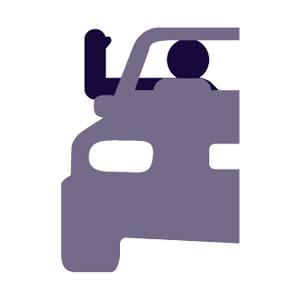
The driver's left arm and hand are extended upward. This hand signal means that the driver plans to:
Q.3.
Distractions that can take a driver's attention away from driving include:
Q.4.
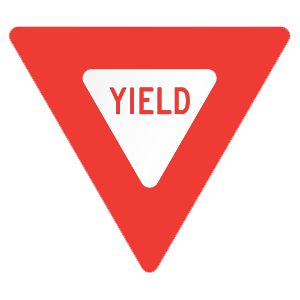
This sign means:
Q.5.
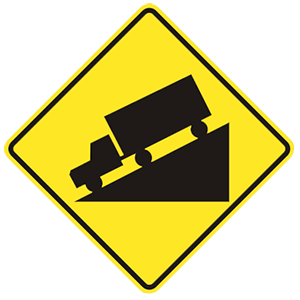
This road sign means:
Q.6.
You may honk your horn when you:
Q.7.
At night, it is hardest to see:
Q.8.
If someone has consumed alcoholic drinks, what will help the person overcome the influence of those drinks?
Q.9.
You may drive across a dashed white line:
Q.10.
You may continue carefully through an intersection with a yellow light if:
Q.11.
Many crashes are caused by:
Q.12.
You come to an intersection displaying a flashing red light. You should:
Q.13.
When approaching a school bus that is stopped and using its red warning lights:
Q.14.
Traffic signals sometimes display arrows to control turns from specific lanes. A solid red arrow:
Q.15.
You approach an emergency vehicle that is stopped with its lights flashing. You must:
Q.16.
What should you do when an emergency vehicle is approaching while displaying flashing red or blue lights?
Q.17.
It is important to be alert to motorcycles because:
Q.18.
If someone is driving aggressively behind you, you should:
Q.19.
When driving to an unfamiliar area, you:
Q.20.
When passing another vehicle on a road with two lanes traveling in opposite directions, you should: