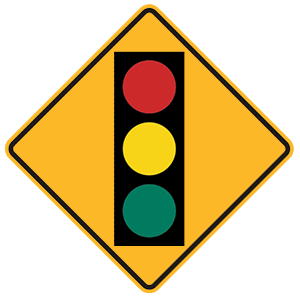
Q.1.
This sign means:
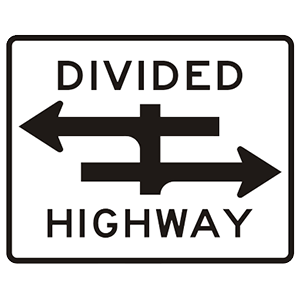
Q.2.
This sign means:
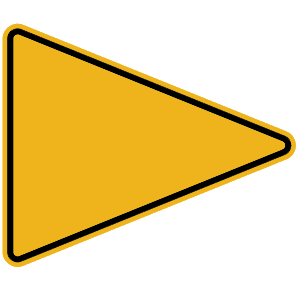
Q.3.
A sign with this shape means:
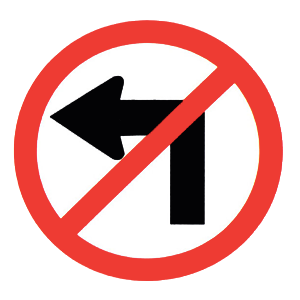
Q.4.
This sign means:
Q.5.
This road sign means:
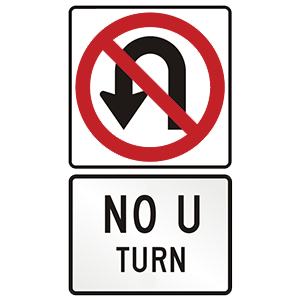
Q.6.
Verify that your headlight and taillight are in working order:
Q.7.
This road sign means:
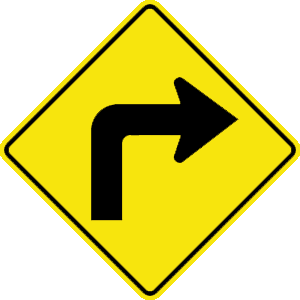
Q.8.
This sign means:
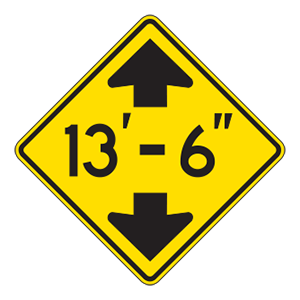
Q.9.
This road sign means:
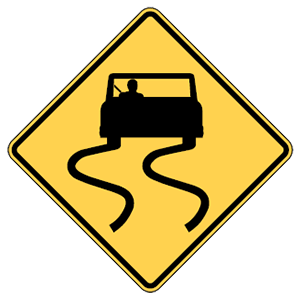
Q.10.
What does this sign mean?
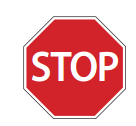
Q.11.
This sign means:
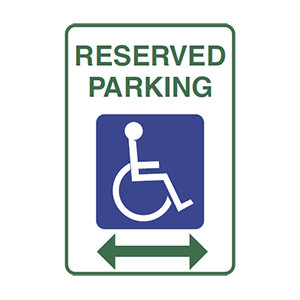
Q.12.
This road sign means:
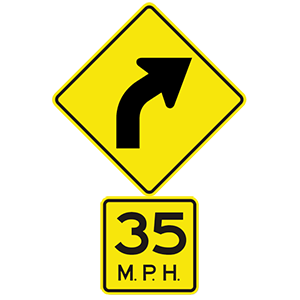
Q.13.
When parking along the road, you should:
Q.14.
This sign means:
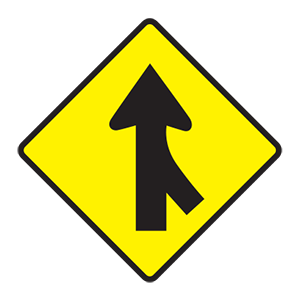
Q.15.
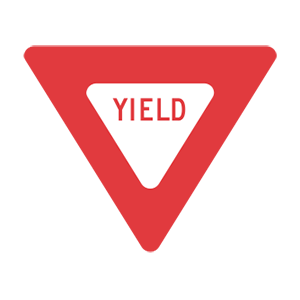
At an intersection with a yield sign, you should:
Q.16.
The risk of a head or neck injury is reduced:
Q.17.
A motorcyclist is well-protected if they are wearing:
Q.18.
Before mounting the motorcycle, your pre-ride inspection should include all of the following, except:
Q.19.
Where should a load be placed?
Q.20.
If you must brake and swerve to avoid a hazard, you should:
Q.21.
A proper lane position should do all of the following, except:
Q.22.
When taking a curve while riding in a group, you should be in:
Q.23.
Passing and being passed when riding a motorcycle is not much different than when driving a car. However:
Q.24.
When carrying a load, it should be:
Q.25.
Most crashes occur during the day. To lessen the chance of being involved in a crash, you should:
Q.26.
In a normal turn:
Q.27.
To adjust for added weight when riding with a passenger, you should:
Q.28.
A motorcycle needs:
Q.29.
A DOT-compliant helmet has all of the following, except:
Q.30.
If a tire goes flat while you are riding and you must stop, you should:
Q.31.
To reduce the amount of time you need to react to a hazard, you should:
Q.32.
Mirrors on motorcycles:
Q.33.
You have an improved chance of avoiding serious injury in a crash if you wear:
Q.34.
What can help reduce the risk of a head or neck injury in the event of a crash?
Q.35.
During the day, you should:
Q.36.
When being passed from behind, you should:
Q.37.
If you are riding in traffic when a small animal enters your lane, you should:
Q.38.
A larger cushion of space may not be necessary if:
Q.39.
When being passed, you should not move to the portion of the lane farthest from the passing driver because it:
Q.40.
It is best to not ride directly alongside another vehicle because: