Q.1.
Reflective, brightly-colored helmets and clothing:
Q.2.
When being followed by a tailgater, you should:
Q.3.
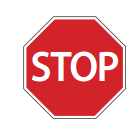
What does this sign mean?
Q.4.
Pick a lane position that:
Q.5.
When positioning your body on the motorcycle:
Q.6.
Before every ride, you should:
Q.7.
The Motorcycle Safety Foundation recommends a SEE strategy to make safe judgments while riding. What does "SEE" stand for?
Q.8.
When you must brake and swerve to avoid a hazard, you should:
Q.9.
Part of your normal scanning routine while riding should include:
Q.10.
When riding over scored pavement in a work zone, you should:
Q.11.
A motorcyclist should attempt to avoid obstacles on the roadway. If avoiding an obstacle is not possible, the motorcyclist should:
Q.12.
When riding during the day, you should:
Q.13.
A good way to handle a tailgater is to:
Q.14.
When being passed, it is usually best for motorcyclists to be in which part of the lane?
Q.15.
Which of the following is an example of a potentially slippery surface?
Q.16.
Riding on ______ may provide poor traction.
Q.17.
To improve your chances of being seen, you should:
Q.18.
Unless posted otherwise, the maximum speed limit on the interstate is:
Q.19.
The front brake supplies about how much of a motorcycle's potential stopping power?
Q.20.
When selecting a jacket that will be used as protective apparel, a motorcycle rider should look for a jacket that is:
Q.21.
The best lane position for a motorcycle:
Q.22.
Having only one alcoholic drink before riding:
Q.23.
A passenger on a motorcycle should:
Q.24.
If you are involved in a collision, you must notify law enforcement if the collision results in:
Q.25.
When wearing a helmet at the time of a crash, a rider is: