Q.1.
Unless otherwise posted, the speed limit in residential areas is:
Q.2.
If you must brake and swerve to avoid danger, you should:
Q.3.
Under normal riding conditions, one of the best ways to help others see your motorcycle is:
Q.4.
When approaching a blind intersection, riders should:
Q.5.
When the lights on this sign are flashing, what should you do?
Q.6.
Part of your normal scanning routine while riding should include:
Q.7.
To shift up to a higher gear, you must:
Q.8.
If your front wheel locks while you are braking, you should:
Q.9.
You have an improved chance of avoiding serious injury in a crash if you wear:
Q.10.
When riding, jackets and pants should:
Q.11.
Lanes of traffic moving in the same direction are separated by:
Q.12.
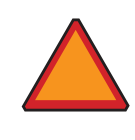
What does this sign mean?
Q.13.
A motorcycle is required to have all of the following, except:
Q.14.
Riding directly alongside another vehicle is:
Q.15.
What does a traffic signal displaying a solid red arrow mean?

Q.16.
If bright sunlight makes it difficult for drivers to see a motorcycle's mechanical turn signals, the rider should:
Q.17.
If vehicles or other potential hazards are to your right, you should ride on which side of your lane?
Q.18.
When riding over grooved pavement in a work zone, you should:
Q.19.
To reduce your reaction time, you should:
Q.20.
When sitting on a motorcycle, you should:
Q.21.
Experienced riders use a system known as SIPDE to make judgments while riding. What does the "I" stand for?
Q.22.
Motorcyclists:
Q.23.
To help others see your motorcycle, you should:
Q.24.
One problem with a motorcyclist riding directly next to another vehicle is that:
Q.25.
When traveling on a road that is covered in packed snow, you should reduce your normal traveling speed by: