Q.1.
The boiling point of glycerol is more than propanal because of ... ..
-
31%
a) Hybridisation
-
38%
b) H-bonding
-
19%
c) Resonance
-
12%
d) All of these
Q.2.
Glycerol, on heating with oxalic acid at 110°C gives ... ...[ Haryana CET 1998]
-
8%
a) Ethanol
-
46%
b) Methanoic acid
-
31%
c) Ether
-
15%
d) Acetone
Explanation
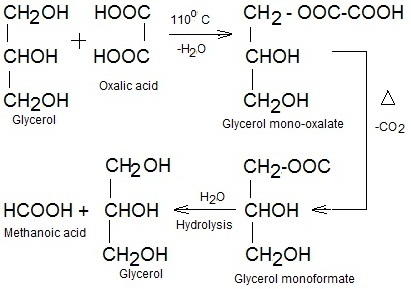
Q.3.
The reaction of ethanol with H2SO4 does not give ... .... [ MP PET 1996]
-
17%
a) Ethylene
-
25%
b) Diethyl ether
-
50%
c) Acetylene
-
8%
d) Ethyl hydrogen sulphate
Q.4.
on Q155) Identify the final product ... ... [ DEC 1996]

-
0%
a) Ethanol
-
60%
b) Ethanal
-
30%
c) Epoxy ethane
-
10%
d) Ethylene glycol
Explanation

Q.5.
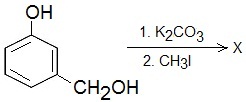
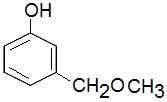
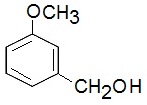
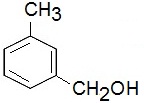
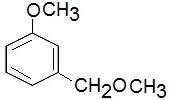
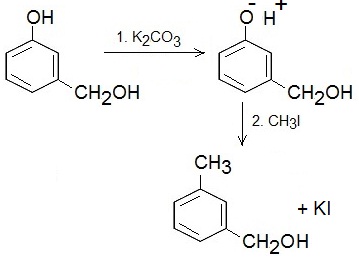
on Q156) The product X is
-
10%
a)
-
30%
b)
-
10%
c)
-
50%
d)
Explanation
Q.6.
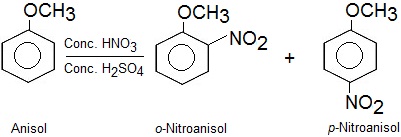
Anisole with conc.HNO3 and conc. H2SO4 gives ... .... [ Punjab CET 1992]
-
38%
a) Phenol
-
38%
b) Nitobenzene
-
12%
c) o- and p- Nitoanisole
-
12%
d) m-Nitroanisole
Explanation
Q.7.
The ether that undergoes electrophilic substitution reactions is ... ...
-
22%
a) CH3OC2H5
-
33%
b) C6H5OCH3
-
33%
c) CH3OCH3
-
11%
d) C2H5OC2H5
Q.8.
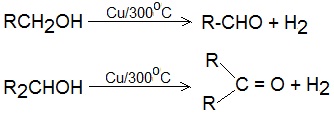
Primary and secondary alcohols on action of red hot copper give ... ...
-
20%
a) Aldehydes and ketones respectively
-
40%
b) Ketone and aldehydes respectively
-
30%
c) Only aldehydes
-
10%
d) Only ketones
Explanation
Q.9.
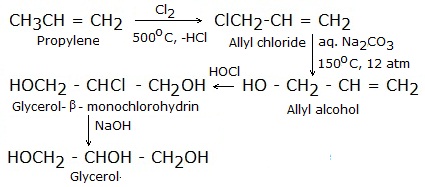
In the synthesis of glycerol from propene, the steps involved are ... ... [ Tamil Nadu CET 2002]
-
50%
a) Glycerol-β-chlorohydrin and allyl chloride
-
38%
b) Glyceryl trichloride and glycerol-α-chlorohydrin
-
0%
c) Allyl alcohol and glycerol-β-chlorohydrin
-
12%
d) Allyl alcohol and monosodium glycerolate
Explanation
Q.10.
When ethyl alcohol is dissolved in water, it is accompanied with .... .....
-
50%
a) evolution of heat and contraction in volume
-
0%
b) absorption of heat and contraction in volume
-
38%
c) evolution of heat and increase in volume
-
12%
d) absorption of heat and increase in volume
Q.11.
on Q162) The product C in the following sequence of reaction

-
43%
a) methyl ethyl ether
-
0%
b) butane
-
14%
c) ethane
-
43%
d) propane
Explanation

Q.12.
Butan-2-ol is ... ...
-
14%
a) Primary alcohol
-
71%
b) Secondary alcohol
-
0%
c) tertiary alcohol
-
14%
d) none of these
Q.13.
Acetic acid and methanol are obtained on a large scale by destructive distillation of .... ......
-
14%
a) terpentine oil
-
0%
b) Coal
-
71%
c) Wood
-
14%
d) CH3cOOH
Q.14.
General formula of primary alcohol is
-
0%
a)

-
20%
b)

-
40%
c) CnHn+2OH
-
40%
d) All of these
Q.15.
han One Correct Answer Q166) Alcohols may behave as
-
14%
a) Bronsted acid
-
29%
b) Lewis base
-
57%
c) oxidising agent
-
0%
d) reducing agent
Q.16.
Glyoxal is .... .....
-
14%
a) CH2OH - CHO
-
14%
b) CH2 = CHCHO
-
14%
c) CH2OH - CHO
-
57%
d) CHO - CHO
Q.17.
han One Correct Answer Q)168) Which of the following is known as rectified spirit
-
17%
a) The alcohol sold in the market for polishing is known as methylated spirit
-
50%
b) Ordinary ethyl alcohol is known as rectified spirit
-
0%
c) Absolute alcohol is 100% ethanol
-
33%
d) Power alcohol is 100% ethanol
Q.18.
Esterification of alcohol involves .... ...
-
43%
a) H of alcohol and OH of acid
-
43%
b) OH of alcohol and H of acid
-
0%
c) OH of alcohol and OH of acid
-
14%
d) H of alcohol and H of acid
Q.19.
Formation of diethyl ether from ethanol is based on a .... ....
-
14%
a) dehydrogenation reaction
-
14%
b) hydrogenation reaction
-
57%
c) dehydration reaction
-
14%
d) oxidation
Explanation

Q.20.
Intermolecular dehydration of alcohols gives .... ......
-
29%
a) ketones
-
29%
b) ether
-
29%
c) alkenes
-
14%
d) alkynes
Q.21.
Which is/are primary alcohol
-
17%
a) Butan-2-ol
-
33%
b) Butan-1-ol
-
33%
c) Propan-2-ol
-
17%
d) 2,3-dimentylhexan-1-ol
Q.22.
Which of the following ethers form peroside readily?
-
20%
a) Me - O - Me
-
20%
b) Et - O - Et
-
0%
c) iPr - O - iPr
-
60%
d) Me - O - Et
Q.23.
Which is/are the source(s) of phenol?
-
33%
a) Middle oil of coal-tar distillation
-
0%
b) Cumene
-
50%
c) Hydrolysis of benzene diazonium salt
-
17%
d) Reaction of diazonium salt with H3PO2
Q.24.
Which is not an alcohol ..... ...
-
40%
a) C6H5CH2OH
-
0%
b) C6H5OH
-
60%
c) C3H6O
-
0%
d) CH2OHCH2OH
Q.25.
han One Correct Answer Q176) Indicate the correct statement(s)
-
25%
a) diethyl ether is used as anaesthetic
-
25%
b) diethyl ether is used as refrigerant
-
25%
c) diethyl ether is an inert compound
-
25%
d) diethyl ether is insoluble in water
Q.26.
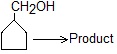
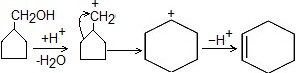
on Q177) The product in the given reaction is ..... ....
-
50%
a)

-
50%
b)

-
0%
c)

-
0%
d)

Explanation
Q.27.
han One Correct Answers Q178) Phenol react with
-
20%
a) sodium carbonate
-
60%
b) sodium hydroxide
-
0%
c) sodium bicarbonate
-
20%
d) potassium hydroxide
Q.28.
An alcohol is not oxidised in alkaline or neutral solution but in acidic solution it is turned first to acetone and then to acetic acid. It is a ... ..
-
40%
a) Primary alcohol
-
40%
b) secondary alcohol
-
0%
c) tertiary alcohol
-
20%
d) none of these
Q.29.
There are four alcohols P, Q, R and S which have 3, 2, 1 and zero alpha hydrogen atom(s). Which one of the following will not respond to Viktor Meyer's test?
-
0%
a) P
-
25%
b) Q
-
25%
c) R
-
50%
d) S
Q.30.
han One Correct Answer Q181) When phenol is reacted with CHCl3 and NaOH followed by acidification, salicylaldehyde is obtained. Which of the following species is/are involved in the above mentioned reaction as intermediates(s)
-
25%
a)

-
50%
b)

-
25%
c)

-
0%
d)
