Q.1.
Seeds are beset with tiger's claw in ... .. [ CPMT 1992]
-
24%
a) Martynia
-
39%
b) Xanthium
-
23%
c) Spear Grass
-
14%
d) Puncture Vine
Q.2.
Leaves develop from... ... [ AFMC 2003]
-
71%
a) Nodes
-
23%
b) Internodes
-
4%
c) Epidermis
-
2%
d) Endodermis
Q.3.
Birds disseminate seeds by ... ... [ AMU 2003]
-
57%
a) Eating fruit and passing the seeds unharmed through excreta at places
-
11%
b) Their feathers
-
23%
c) Carrying seeds in their beaks
-
9%
d) Eating fruits and digesting fruit content in their elementary canal
Q.4.
Wheat/Rice grain is a fruit of the type ... ..[ AFMC 2009]
-
28%
a) Cypseal
-
20%
b) Samara
-
12%
c) Achene
-
40%
d) Caryopsis
Q.5.
Winged seeds are ... ... [ CPMT 1996]
-
22%
a) Rough and sticky
-
31%
b) Smooth and sticky
-
39%
c) Dry and spinning
-
8%
d) None of the above
Q.6.
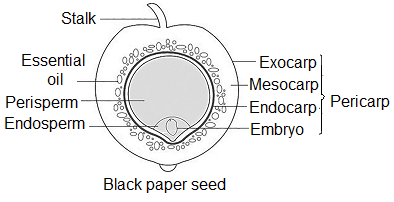
Persistent nucellus in the seed is known as... [NEET 2019]
-
23%
a) Chalaza
-
49%
b) Perisperm
-
18%
c) Hilum
-
10%
d) Tegmen
Explanation
Q.7.
Pneumatophores occur in [ NEET 2018]
-
19%
a) Carnivorous plants
-
29%
b) Free-floating hydrophytes
-
34%
c) Halophytes
-
18%
d) Submerged hydrophytes
Q.8.
The body of the ovule is fused within the funicle at (1) (2) (3) (4) Answer (3)
-
13%
a) Nucellus
-
16%
b) Chalaza
-
59%
c) Hilum
-
12%
d) Micropyle
Q.9.
The edible part of Apple/Pear is ... .. [ BHU 1996]
-
13%
a) Cotyledons
-
44%
b) Thalamus/Receptacle
-
29%
c) Mesocarp
-
13%
d) Endocarp
Q.10.
A flower without nonessential whorls is ... .... [ kerala 2001]
-
13%
a) Monoecious
-
15%
b) Dioecious
-
29%
c) Calyx
-
43%
d) Achlamydeous
Q.11.
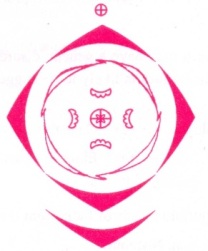
Which of the following description of the flower matches the floral diagram ... ..[ KCET 2012]
-
13%
a) Heterochlamydeous, gamopetalous and isexual
-
17%
b) Homochlamydeous, gamopetalous, tetramerous and unisexual
-
36%
c) Homochlamydeous, polypetalous, pentamerous and bisexual
-
34%
d) Homochlamydeous, gamopetalous, tetramerous and bisexual
Q.12.
The process of growth is maximum during [NEET 2020]
-
21%
a) Senescence
-
25%
b) Dormancy
-
43%
c) Log phase
-
12%
d) Lag phase
Q.13.
Name the family having (9)+1 arrangement of stamens .... ...... [ AIIMS 2001]
-
38%
a) Solanaceae
-
12%
b) Asteraceae
-
21%
c) Liliaceae
-
29%
d) Fabaceae
Q.14.
There is stem modification in Ruscus. It is ... ... [ Har PMT 2003 ]
-
28%
a) Cladode
-
35%
b) Phylloclade
-
30%
c) Thorn
-
6%
d) Corm
Q.15.
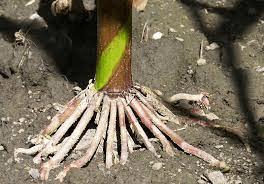
The roots that originate from the base of the stem are ... .. [NEET 2020]
-
25%
a) Prop roots
-
5%
b) Lateral roots
-
51%
c) Fibrous roots
-
18%
d) Primary roots
Explanation
Q.16.
The ovary is half inferior in : [NEET 2020]
-
18%
a) Sunflower
-
44%
b) Plum
-
24%
c) Brinjal
-
14%
d) Mustard
Q.17.
Sweet Potato is homologous to .. .. [ CBSE 2011]
-
13%
a) Colocasia
-
51%
b) Potato
-
30%
c) Turnip
-
6%
d) Ginger
Q.18.
Cauliflory is ... ...[ CPMT 1995]
-
29%
a) Production of new plants from cauline buds
-
21%
b) Formation of flowers from old stem
-
22%
c) Development of flowers on young branches
-
28%
d) Clustering of flowers
Q.19.
Seed of Caster is ... ..[ AMU 2005] Explanation is provided please click on
-
25%
a) Non-endospermic exalbuminous
-
52%
b) Endospermic albuminous
-
13%
c) Endospermic exalbuminous
-
11%
d) Non-endospermic albuminous
Q.20.
Prop or pillar roots are ... ..[ Manipur 2006]
-
15%
a) Fasciculated roots
-
31%
b) Tap roots
-
48%
c) Adventitious roots
-
6%
d) Secondary roots
Q.21.
A fruit developed from a condensed inflorescence is ... .. [ AFMC 1999 ]
-
20%
a) Simple fruit
-
35%
b) Aggregate fruit
-
41%
c) Composite fruit
-
4%
d) Etaerio
Q.22.
Opening of flowers in a cymose inflorescence is .. ... [ AMU 1999]
-
14%
a) Centrifugal
-
21%
b) Centripetal
-
50%
c) Basipetal
-
15%
d) Acropetal
Q.23.
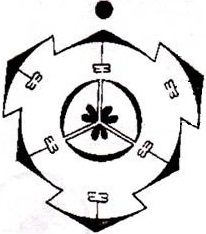
Plants with this floral diagram are ... [ AIIMS 2012]
-
30%
a) Dicots
-
22%
b) Legumes
-
24%
c) Medicinal and perennial
-
24%
d) With pinnately compound leave
Q.24.
Fusiform roots are found in ... ... [ BHU 1996]
-
27%
a) Solanum tuberosum
-
32%
b) Colocasia
-
23%
c) Daucos carota
-
18%
d) Raphanus sativus
Q.25.
Which one is not a pseudocarp? ... ... [ AMU 1997]
-
13%
a) Tomato
-
17%
b) Guava
-
37%
c) Apple
-
33%
d) Banana
Q.26.
Epicalyx occurs in ... ..[ MHT CET 2007]
-
26%
a) Cycas
-
9%
b) Jowar
-
19%
c) Nephrolepis
-
46%
d) China Rose
Q.27.
Study the statements and choose the right option ... [ kerala 2011] a) Buds are present in the axils of leaflets of a compound leaf b) Pulvinus leaf base is present in some leguminous plants c) In Alstonia the petioles expand, become green and synthesis food d) Opposite phyllotaxy is seen in Guava
-
24%
a) b and d
-
18%
b) a and c
-
33%
c) a and d
-
25%
d) b, c and d
Q.28.
Match the following ... [ EAMCET 2005]
| a) Gall flowers | i) Spikelet |
| b) Involucre | ii) Hypanthodium |
| c) Spathe | iii) Cyathium |
| d) Lemma | iv) Umbel |
| - - - - | v) Spadix |
-
15%
a) a - ii, b - iv, c - v, d - iii
-
33%
b) a - ii, b - iii, c - v, d - i
-
42%
c) a - iii, b - iv, c - ii, d - v
-
9%
d) a - iii, b - iv, c - ii, d - i
Q.29.
Geocarpic fruits are formed in ... ..[ AFMC 2007]
-
9%
b) Onion
-
33%
a) Watermelon
-
17%
c) Carrot
-
41%
d) Groundnut
Q.30.
A fibrous root system is better adapted than tap root system for ... ... [ BHU 1993]
-
22%
a) Storage of food
-
24%
b) Anchorage of plant to soil
-
46%
c) Absorption of water and minerals
-
7%
d) Transport of water and organic food
Q.31.
Which one is endospermous ... ...[ Tamil nadu 2001]
-
10%
a) Cajanus cajan
-
26%
b) Helianthus annuus
-
38%
c) Ricinus communis
-
26%
d) Ravenala madagascariensis
Q.32.
Root cap is absent in ... .. [ BHU 2000 ]
-
37%
a) Hydrophytes
-
14%
b) Lithophytes
-
37%
c) Xerophytes
-
12%
d) Mesophytes
Q.33.
Arrangement of ovules on the placenta developed from central axis of ovary is ... ... [ JKCMEE 2005]
-
6%
a) Parietal placentation
-
42%
b) Free central
-
12%
c) Marginal placentation
-
40%
d) Axile placentation
Q.34.
Aggregate fruit occurs in ... ..[ EAMCET 1995]
-
11%
a) Artocarpus
-
16%
b) Annona squamosa
-
22%
c) Ananas
-
51%
d) Both b and c
Q.35.
National flower of India is ... .. [ CPMT 1996]
-
82%
a) Lotus
-
7%
b) Rosa
-
4%
c) Carica
-
7%
d) Colocasia
Q.36.
Testa of seed develops from .. ...[ JKCMEE 2011]
-
33%
a) Ovary wall
-
24%
b) Hilum
-
37%
c) Outer integument
-
6%
d) Funicle
Q.37.
Pneumatophores are useful in .. .. [ BHU 1990]
-
71%
a) Respiration
-
17%
b) Transpiration
-
10%
c) Guttation
-
2%
d) Protein synthesis
Q.38.
Ginger is a stem which can be differentiated from root because it ... ... [ MPPMT 2007]
-
20%
a) Grows parallel to ground
-
28%
b) Stores food
-
14%
c) Lacks chlorophyll
-
38%
d) Has nodes and internodes
Q.39.
Replum occurs in the ovary of ... ... [ RPMT 2011]
-
9%
a) Malvaceae
-
30%
b) Brassicaceae
-
24%
c) Asteraceae
-
36%
d) Liliaceae
Q.40.
Select the correct match ... ... [ Kerala 2011]
-
20%
a) Colchicum autumnale - Solanaceae
-
26%
b) Gloriosa - Fabaceae
-
46%
c) Petunia - Solanaceae
-
9%
d) Trifolium - Liliaceae
Q.41.
Thalamus in hypogynous ovary is ... ..[ Odisha 2011]
-
19%
a) Convex
-
25%
b) Concave
-
19%
c) Flat
-
36%
d) Partly cup-shaped
Q.42.
In Tamarind (Imli) the pinnate leaf is ... ... [ Bih PMT 1994]
-
33%
a) Tripinnate
-
33%
b) Bipinnate
-
27%
c) Paripinnate
-
7%
d) Imparipinnate
Q.43.
Aestivation in which members of a whorl lie close but do not overlap is ... ...[ AMU 1999 ]
-
15%
a) Vexillary
-
69%
b) Valvate
-
8%
c) Imbricate
-
8%
d) Twisted
Q.44.
Botanical name of Cauliflower is .. .. [ CBSE 1991]
-
26%
a) Brassica oleracea Var, capitata
-
38%
b) Brassica campestris
-
26%
c) Brassica oleracea var, botrytis
-
10%
d) Brassica oleracea var, gemmifera
Q.45.
Petiole is modified into green leafy structure called ... .. [ MPPMT 1998]
-
36%
a) Phyllode
-
39%
b) Phylloclade
-
14%
c) Cladode
-
11%
d) Foliaceous petiole
Q.46.
One seeded winged fruit is ... ..[ Har PMT 2007]
-
19%
a) Cypsela
-
30%
b) Samara
-
24%
c) Achene
-
27%
d) Nut
Q.47.
Among the following which compound can induce seed dormancy ... .. [ Pb PMT1998]
-
39%
a) Gibberellins
-
19%
b) Caffeine
-
36%
c) ABA
-
6%
d) Potassium nitrate
Q.48.
In the leaves, veins are useful for ... .... [ AMU 2011]
-
24%
a) Transport of water and minerals
-
0%
b) Mechanical support
-
4%
c) Transport of organic nutrients
-
71%
d) All the above
Q.49.
Tegmen develops from ... .. [ CBSE 1990]
-
7%
a) Funiculus
-
30%
b) Chalaza
-
56%
c) Inner integument
-
7%
d) Outer integument
Q.50.
Union of stamens with carpels form a complex called ... ...[ CMC 2003]
-
22%
a) Gynostegium
-
28%
b) Syngenesious
-
22%
c) Gynandrium
-
28%
d) Synandrous