Q.1.
Which one is not characteristic feature of Asteraceae ... .. [ kerala 2008] (a) Cypsela fruit (b) Syngenesious stamens (c) Ovary bicarpellary superior (d) Placentation marginal (e) Head type inflorescence
-
33%
a) a, b only
-
33%
b) c and e only
-
33%
c) e only
-
0%
d) c and d only
Q.2.
Epigynous flowers occur is ... ... [ RPMT 2011]
-
14%
a) Mustard
-
14%
b) Brinjal
-
71%
c) Cucumber
-
0%
d) China Rose
Q.3.
Which of the following plants are used as green manure in crop fields and in sandy soils ... ... [ CBSE 2003]
-
0%
a) Crotalaria juncea and Alhagi camelorum
-
0%
b) Calotropis procera and Phyllanthus niruri
-
0%
c) Saccharum munja and Lantana camara
-
100%
d) Dichanthium annulatum and Azolla nilotica
Q.4.
Embryo of Sunflower has ... ... [ BHU 2002]
-
33%
a) One cotyledon
-
33%
b) Two cotyledons
-
33%
c) Many cotyledons
-
0%
d) No cotyledon
Q.5.
Economically important edible part of Ipomoea batatas is ... ... [ JKCET 2002]
-
0%
a) Rhizome
-
50%
b) Stem tuber
-
50%
c) Underground fruit
-
0%
d) Underground root tuber
Q.6.
Select the wrong statement ... .. [ kerala 2007]
-
100%
a) Persistent calyx in Solanaceae
-
0%
b) Flowers are hypogynous in Asteraceae
-
0%
c) Santonin is obtained from Artemisia
-
0%
d) In Poaceae, perianth is represented by lodicules
Q.7.
Angle of divergence in tristichous phyllotaxy is ... .. [ Odisha 2011]
-
0%
a) 140°
-
50%
b) 135°
-
50%
c) 180°
-
0%
d) 120°
Q.8.
Match the column .... [kerala 2007]
| a) Coleorhiza | 1) Grapes |
| b) Food storing tissue | 2) mango |
| c) Parthenocarpy fruit | 3) Maize |
| d) Single seeded fruit from monocarpellary superior ovary | 4) Radicle |
| e) Membranous seed coat | 5) Endosperm |
-
0%
a) a - 1, b - 3, c - 2, d - 5, e - 4
-
75%
b) a - 1, b - 5, c - 1, d - 2, e - 3
-
0%
c) a - 3, b - 1, c - 4, d - 2, e - 5
-
25%
d) a - 4, b - 2, c - 5, d - 1, e - 3
Q.9.
Vexillary type of petal arrangement occurs in ... .. [ KCET 2001]
-
0%
a) Maize
-
20%
b) Cucurbita
-
20%
c) Mustard
-
60%
d) Pea/Crotalaria
Q.10.
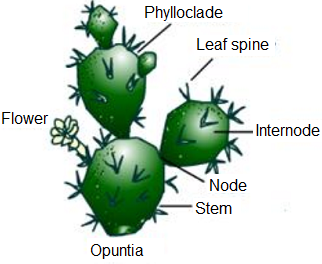
Phylloclade is a modification of ... ... [ JIPMER 1998]
-
75%
a) Leaf
-
0%
b) Root
-
0%
c) Flower
-
25%
d) Stem
Explanation
Q.11.
Micropyle of seed is involved in the passage of ... ...[ Odisha 2009]
-
67%
a) Male gamete
-
0%
b) Pollen tube
-
33%
c) Water
-
0%
d) Gases
Explanation

Q.12.
Saffron is ... ... [ MPPMT 2004]
-
0%
a) Stamens of Hibiscus
-
50%
b) Style and stigma of Crocus plant
-
50%
c) Roots of Indigofera
-
0%
d) Petals of Musa
Explanation

Q.13.
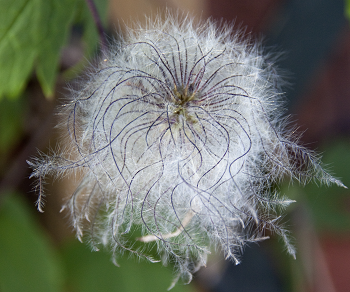
Clematis and Naravelia are dispersed by air with the help of ... ... [ BHU 2008]
-
50%
a) Persistent inflated calyx
-
0%
b) Persistent hairy styles
-
0%
c) Hair
-
50%
d) Wings
Explanation
Q.14.
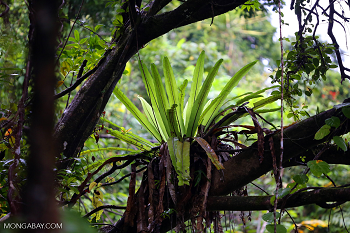
Epiphytes depend upon other plants for ... ... [ CPMT 1990 ]
-
0%
a) Water only
-
67%
b) Water and minerals only
-
0%
c) Support only
-
33%
d) All types of nourishment
Explanation
Q.15.
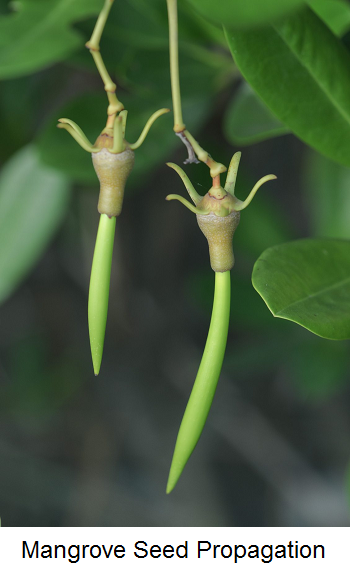
Which one does not exhibit seed dormancy? ... ...[ CPMT 2004]
-
0%
a) Phaseolus
-
0%
b) Rhizophora
-
0%
c) Cassia
-
100%
d) Xanthium
Explanation
Q.16.
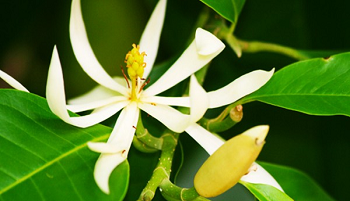
Gynoecium has many free pistils in ... [ CBSE 2012]
-
0%
a) Aloe
-
0%
b) Tomato
-
100%
c) Papaver
-
0%
d) Michelia
Explanation
Q.17.
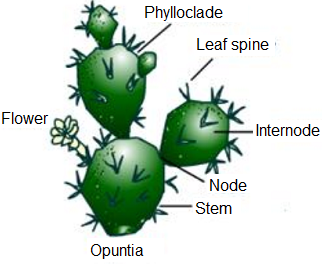
In Opuntia, the stem is modified into ... .. [ Orissa 2000 ]
-
100%
a) Cladode
-
0%
b) Phylloclade
-
0%
c) Phyllode
-
0%
d) Staminode
Explanation
Q.18.
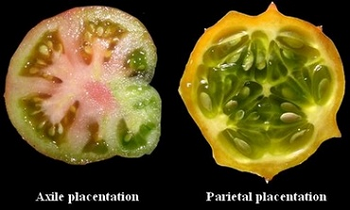
Parietal placentation occurs in family ... ... [ EAMCET 1995]
-
100%
a) Brassicaceae
-
0%
b) Asteraceae
-
0%
c) Solanaceae
-
0%
d) Liliaceae
Explanation
Q.19.
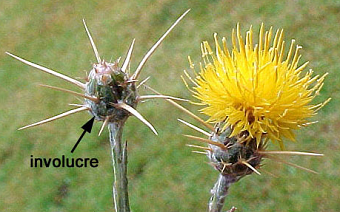
Fruit of family Asteraceae/Sunflower is ... ...[ CPMT 1996]
-
0%
a) Nut
-
0%
b) Carcerulus
-
0%
c) Cremocarp
-
0%
d) Cypsela
Explanation
Q.20.
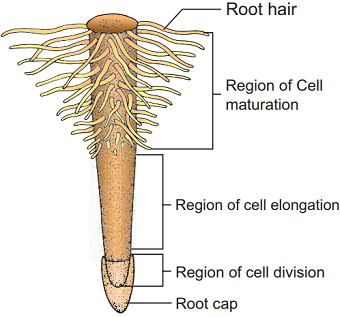
Regions of root from base to root tip are ... ... [ AMU 2001]
-
0%
a) Maturation zone - Cell division zone - Elongation zone
-
0%
b) Maturation zone - Elongation zone - Cell division zone
-
100%
c) Cell division zone - Elongation zone - Maturation zone
-
0%
d) Elongation zone - Cell division zone - Maturation zone
Explanation
Q.21.
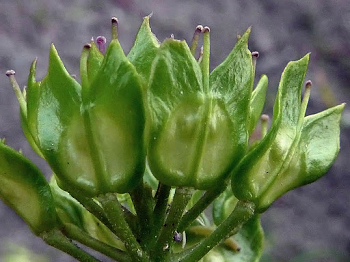
Fruit of Candytuft is ... ..[ CET Chd. 2000]
-
0%
a) Capsule
-
100%
b) Follicle
-
0%
c) Silicula
-
0%
d) Lomentum
Explanation
Q.22.
Cremocarp fruit is present in ... ... [ EAMCET 1996]
-
0%
a) Pea
-
0%
b) Larkspur
-
0%
c) Garden Nasturtium
-
0%
d) Coriander
Explanation

Q.23.
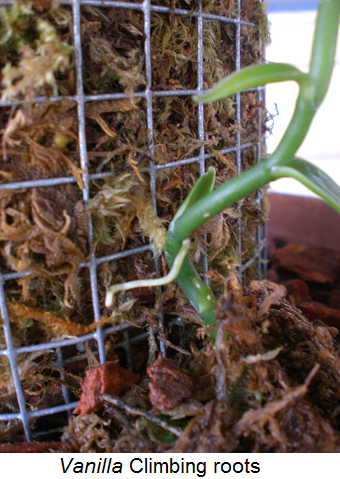
Climbing roots occur in ... ... [ EAMCET 1996]
-
0%
a) Vanilla
-
0%
b) Vanda
-
0%
c) Pongamia
-
100%
d) Taeniophyllum
Explanation
Q.24.
When stamens are fused by their anthers and the filaments are free, the condition is called ... .. [ JIPMER 2000 ]
-
0%
a) Monadelphous
-
100%
b) Synandrous
-
0%
c) Syngenesious
-
0%
d) Epipetalous
Explanation
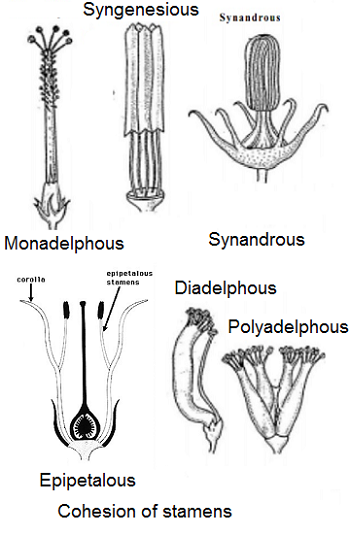
Q.25.
Flower of Fabaceae is ... ... [ JIPMER 2002]
-
0%
a) Complete, zygomorphic, pentamerous
-
100%
b) Complete, actinomorphic, trimerous
-
0%
c) Incomplete, zygomorphic, trimerous
-
0%
d) Incomplete, actinomorphic, pentamerous
Explanation
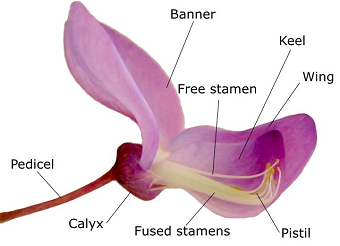
Q.26.
Rhizomes can be differentiated from roots in ... ... [ JIPMER 1990]
-
0%
a) Having scale leaves with axillary buds
-
100%
b) Being thinner
-
0%
c) Being thicker
-
0%
d) Being darker
Explanation
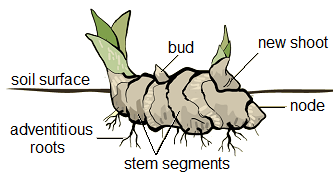
Q.27.
Rafflesia is a ... ... [ RPMT 1995]
-
0%
a) Total root parasite
-
0%
b) Partial root parasite
-
0%
c) Total stem parasite
-
0%
d) Partial stem parasite
Q.28.
After removal of covering in Pea, the seed consists of ... .. [ MPPMT 1997]
-
0%
a) Cotyledons
-
0%
b) Embryo
-
0%
c) Cotyledons + Endosperm
-
100%
d) Cotyledons + Endosperm + Pericarp
Explanation

Q.29.
Arrangement of leaves on a stem branch is ... ..[ JIPMER 1998]
-
0%
a) Venation
-
0%
b) Vernation
-
0%
c) Ptyxis
-
100%
d) Phyllotaxy
Q.30.
Stilt root are reported from ... ... [BHU 1996]
-
0%
a) Pandanus
-
0%
b) Radish
-
100%
c) Mango Ginger
-
0%
d) Bryophyllum
Q.31.
In some fruits the edible part is not the usual fruit. It is ... ..[ BHU 1998]
-
0%
a) Berry
-
0%
b) Drupe
-
0%
c) Sorosis
-
100%
d) Syconus
Explanation

Q.32.
Ligulate/strap-shaped corolla occurs in Sunflower in ... ... [ CPMT 1991]
-
100%
a) Disc florets
-
0%
b) Immature florets
-
0%
c) Ray florets
-
0%
d) Both ray and disc florets
Explanation

Q.33.
In unilocular ovary with a single ovule the placentation is ... .. [ CBSE 2010]
-
0%
a) Basal
-
0%
b) Free central
-
100%
c) Axile
-
0%
d) Marginal
Explanation
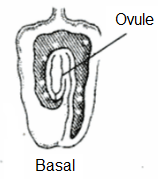
Q.34.
Epigeal germination occurs in ... ... [ MHTCET 2008]
-
0%
a) Pea
-
0%
b) Gram
-
0%
c) Castor
-
0%
d) Maize
Q.35.
Maximum growth of root occurs ... .... [ AFMC 1993]
-
0%
a) At the tip
-
100%
b) Behind the tip
-
0%
c) Root hair zone
-
0%
d) In light
Q.36.
Which is not a feature of fabaceae ... .. [ kerala 2007]
-
0%
a) Corolla 5, polypetalous, anterior large and outermost
-
0%
b) Descending imbricate., 10 stamens, diadelphous, ovary superior
-
0%
c) Sepals 5, gamosepalous, imbricate aestivation, placentation marginal
-
0%
d) Monocarpellary, ovary superior, style long, slightly bent at the apex
Q.37.
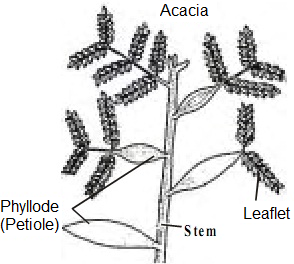
Pick up the leaf modification ... .. [ kerala 2003]
-
0%
a) Cladode
-
100%
b) Phyllode
-
0%
c) Corm
-
0%
d) Phylloclade
Explanation
Q.38.
Oil reserve of Groundnut is present in ... .. [ AIIMS 1992]
-
0%
a) Embryo
-
0%
b) Cotyledons
-
100%
c) Endosperm
-
0%
d) Underground tubes
Q.39.
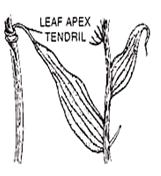
Leaf apex is modified into tendril in ... .. [ CPMT 1996]
-
0%
a) Smilax
-
100%
b) Gloriosa
-
0%
c) Australian Acacia
-
0%
d) Pisum
Explanation
Q.40.
What is the arrangement of root zones starting from root tip .. ... [ CBSE 2004]
-
0%
a) Root cap, cell division, cell enlargement and cell maturation
-
0%
b) Root cap, cell division, cell maturation and cell enlargement
-
0%
c) Cell division, cell maturation, cell enlargement and root cap
-
0%
d) Cell division, cell enlargement, cell maturation and root cap
Q.41.
Anthers represent ... ..[ BHU 2001]
-
100%
a) Male gametophytes
-
0%
b) Male sporophylls
-
0%
c) Spermatogonium
-
0%
d) Female gametophytes
Q.42.
Identify the characters of plant where 8-nucleate embryo sac was first studied by Strasburger ... .. [ EAMCET 2008] a) Micropyle, chalaza and funiculus in same vertical line b) Both unisexual and bisexual flower on same plant c) Filiform apparatus conducts food from endosperm to egg apparatus d) Long funiculus coils like watch spring around the ovule
-
0%
a) a, b and c
-
0%
b) a and b
-
0%
c) b and c
-
0%
d) c and d
Q.43.
Inflorescence is meant for ... ..[ DPMT 1996]
-
0%
a) Bearing of flowers
-
0%
b) Protection of delicate floral parts
-
0%
c) Ensuring cross pollination
-
0%
d) Proper dispersal of seeds
Q.44.
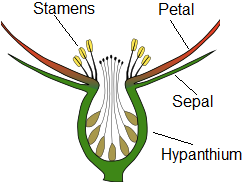
Cup-like structure developed from adnation of sepals, petals and stamens is ... ..[ AMU 2011]
-
0%
a) Cyathium
-
0%
b) Hypanthodium
-
0%
c) Hypanthium
-
0%
d) Capitulum
Explanation
Q.45.
Scientific name of Banana is ... ..[ AFMC 2010]
-
0%
a) Musa paradisiaca
-
0%
b) Musa superba
-
0%
c) Musa textilis
-
0%
d) Hibiscus mutabilis
Q.46.
Nodulated roots occur in ... .. [ RPMT 1995]
-
0%
a) Bryophytes
-
0%
b) Solanaceae
-
0%
c) Malvaceae
-
0%
d) Papilionate
Q.47.
Censer mechanism of seed dispersal is found in ... .. [ BHU 2007]
-
0%
a) Papaveraceae
-
0%
b) Liliaceae
-
0%
c) Leguminosae
-
0%
d) Rosaceae
Q.48.
Gynobasic style is found in .. ... [ Har PMT 2007]
-
0%
a) Labiatae/Lamiaceae
-
0%
b) Liliaceae
-
0%
c) Gramineae/Poaceae
-
0%
d) Compositae/Asteraceae
Explanation

Q.49.
Petals of a flower are arranged in such a way that each overlaps a petal on one side and is overlapped by other petal on the other side. The aestivation is ... ..[ RPMT 2002]
-
0%
a) Valvate
-
0%
b) Quincuncial
-
0%
c) Imbricate
-
0%
d) Twisted
Explanation

Q.50.
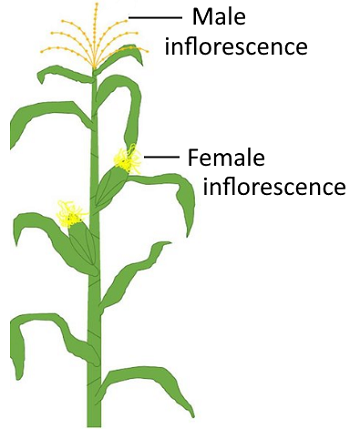
In Maize, the flowers are ... .. [ CPMT 1994]
-
0%
a) Absent
-
0%
b) Unisexual but not different plants
-
0%
c) Bisexual
-
0%
d) Unisexual but on the same plant
Explanation