Q.1.
Read the poem. Why does the poem have rhythm?

-
0%
The poem is about a mother and her children.
-
0%
There are two beats and then 1 beat.
-
0%
Many of the nouns and adjectives begin with the same letter.
-
0%
The nouns and adjectives repeat.
Q.2.
In the following question, select the words that are necessary to complete the alliterations. "Four friends ... for the candy."

-
0%
squabbled
-
0%
fought
-
0%
argued
-
0%
quarrelled
Q.3.
Which of these answers shows alliteration?

-
0%
Great giant giraffes.
-
0%
Amazing lovely giraffes.
-
0%
Big friendly giraffes.
-
0%
Adorable tall giraffes.
Q.4.
In the following question, select the words that are necessary to complete the alliterations. "The ... smell of success."

-
0%
fragrant
-
0%
pleasant
-
0%
wholesome
-
0%
sweet
Q.5.
Read the poem. Which word is important in the poem?

-
0%
best
-
0%
kind
-
0%
others
-
0%
always
Q.6.
Read the poem. How does the poem have rhythm?

-
0%
The last word of each line rhymes.
-
0%
The poem is about a boy playing a game.
-
0%
The poem has many words that begin with 'a'.
-
0%
The repeated words give the poem rhythm.
Q.7.
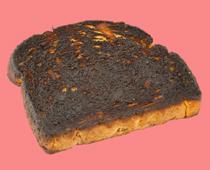
Read the poem. How does the alliteration in the poem make the poem have rhythm?
-
0%
The words have only 1 syllable in them.
-
0%
The poem is funny about the burned breakfast.
-
0%
A lot of the words have the same beginning sound of 'b'.
-
0%
It is about eating breakfast.
Q.8.
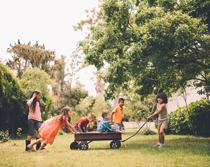
Read the story. Why do the words repeat? Bobby ran to the tree. He climbed up, up, up the tree. He could see for miles. His mother called Bobby’s name. Bobby climbed down the tree and ran to his house. The next day Bobby walked up, up, up the street to meet his friends. He played with them and had a wonderful time. It was time to go home now. When Bobby’s mother called him, Bobby ran up, up, up to his mother. He didn’t want to be late for supper.
-
0%
So it rhymes with other words.
-
0%
To show what Bobby is doing.
-
0%
To show importance.
-
0%
So the beginning of the words are the same.
Q.9.
Read the poem. Which words rhyme?

-
0%
go, away
-
0%
away, play, day, today
-
0%
not, want
-
0%
good, to
Q.10.
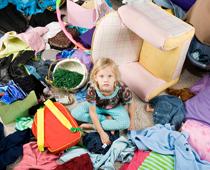
Read the story. Why is the 6th sentence of the story important to the meaning of the story? Beverly threw her clothes on the floor. She was very tired. The next morning her mother got angry that her room was a mess. Beverly’s mother yelled at her to pick up her clothes off the floor. Beverly was in a hurry. She started to sing a song, 'Clean up, Pick up, Tidy up.' Every time Beverly sang the word 'up,' she would pick up a piece of clothing off the floor. Singing this song helped Beverly clean her room fast.
-
0%
This shows Beverly’s problem.
-
0%
Songs have rhythm.
-
0%
Singing the song creates a rhythm in the story.
-
0%
Singing the song helped Beverly solve her problem.