Q.1.
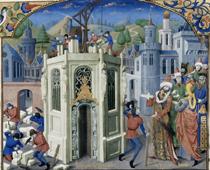
Paintings of the Middle Ages had been slowly increasing in realism. Those of the 15th Century (like the one pictured) were between two periods of art history. Which two?
-
0%
Gothic and Renaissance
-
0%
Impressionist and Renaissance
-
0%
Gothic and Classical
-
0%
Impressionist and Classical
Q.2.
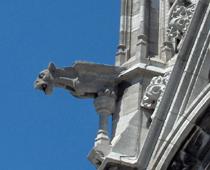
Medieval churches were decorated with gargoyles. These had three functions. Which of the following were they used for?
-
0%
To frighten the congregation
-
0%
To drain rainwater
-
0%
To frighten evil spirits
-
0%
To help balance the building
Q.3.
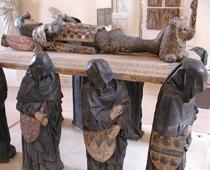
A great deal of money was spent on funeral art by the nobility, as the pictured tomb of a Burgundian nobleman shows. Effigies of the deceased were carved and laid on top of the tombs, along with other adornments. The tomb of Edward the Confessor was decorated with what?
-
0%
Silver crucifixes and images of Christ
-
0%
Gold images of kings and saints
-
0%
Silver scenes from Edward's life
-
0%
A solid gold, life-size effigy of Edward
Q.4.
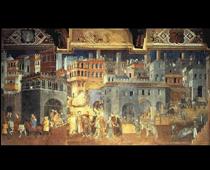
In the Middle Ages walls were often decorated with murals. One particular kind of wall painting is known as a fresco. What is it that differentiates frescos from other kinds of murals?
-
0%
They are the only kind to be painted in colour
-
0%
They are the only kind to be painted onto ceilings
-
0%
They are the only kind to be painted onto wet plaster
-
0%
They are the only kind to be painted onto outside walls
Q.5.
Henry VII had a chapel built and named after him (pictured). It was added to which famous church?
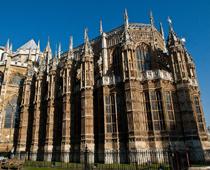
-
0%
Westminster Abbey
-
0%
St Paul's Cathedral
-
0%
Glastonbury Abbey
-
0%
Lincoln Cathedral
Q.6.
Before canvas became popular, paintings (like the early 15th Century piece pictured) were often painted onto pieces of wood. What were such paintings called?
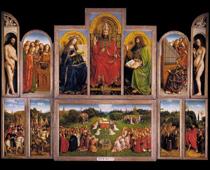
-
0%
Panel paintings
-
0%
Screen paintings
-
0%
Board paintings
-
0%
Rigid paintings
Q.7.
Stained glass windows were a popular form of art in the Middle Ages. Whereabouts is the pictured window, the oldest of its kind in England?
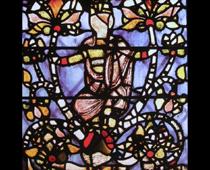
-
0%
London
-
0%
Lancaster
-
0%
York
-
0%
Canterbury
Q.8.
One of the most beautiful of England's churches is the Church of St Bartholomew in Crewkerne, Somerset (pictured). It was built in the 15th century and designed by which architect?
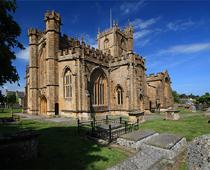
-
0%
William Smyth
-
0%
Christopher Wren
-
0%
Henry Jones
-
0%
Ignatius Scoles
Q.9.
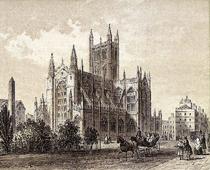
Two architect brothers, Robert and William Vertue, worked together on the rebuilding of which abbey (pictured) in the 1490s?
-
0%
Whitby Abbey
-
0%
Bath Abbey
-
0%
Pershore Abbey
-
0%
Battle Abbey
Q.10.
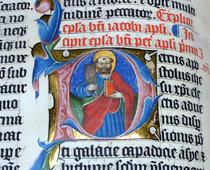
Books, especially bibles, were often decorated with coloured pictures and stylised letters. What were books carrying these decorations called?
-
0%
Bright manuscripts
-
0%
Illustrated manuscripts
-
0%
Illuminated manuscripts
-
0%
Coloured manuscripts