Q.1.
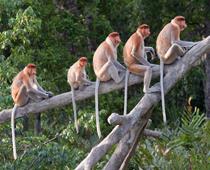
There are around 264 monkey species in the world. Now answer this question: How many species of monkeys are there?
-
0%
260
-
0%
261
-
0%
263
-
0%
264
Q.2.
In the Chinese calendar there are twelve animals and the monkey is the ninth one, just before the rooster. Which statement is true?

-
0%
The monkey is the eighth character in the Chinese calendar.
-
0%
The monkey comes before the rooster.
-
0%
The monkey comes after the rooster.
-
0%
The rooster is the ninth character in the Chinese calendar.
Q.3.
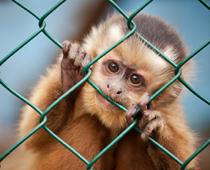
Monkeys can be put into two groups, Old World and New World monkeys. Now answer this question: How many groups can we put monkeys into?
-
0%
1
-
0%
2
-
0%
3
-
0%
4
Q.4.
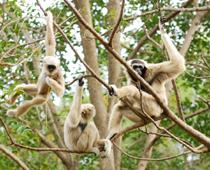
Groups of monkeys are known as tribes, barrels or troops. Now answer this question: Which of these answers is not a name we use to group monkeys?
-
0%
Tribes
-
0%
Barrels
-
0%
Troops
-
0%
Groups
Q.5.
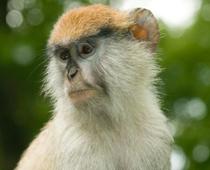
The fastest monkeys are called the patas monkeys and they can run up to 31 miles per hour. This means they could run alongside your car! Which statement is correct?
-
0%
The patas monkey is the slowest monkey.
-
0%
They can walk alongside your car.
-
0%
The patas monkey is the fastest monkey.
-
0%
The patas monkey is blue in colour.
Q.6.
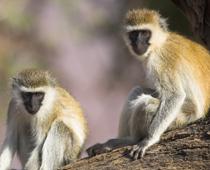
The vervet monkeys have different calls that they share with each other. They make different noises to warn if an eagle is coming and a different sound to say if it's a python and another sound to say it's a leopard. Why do they have different calls?
-
0%
To show which type of predator is coming.
-
0%
To warn each other that it's going to snow.
-
0%
To show off their singing voices.
-
100%
To discuss the news.
Q.7.
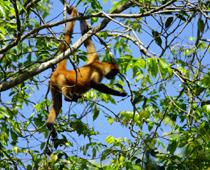
The largest monkey is called a mandrill, with grown-up males weighing up to 35 kg. Spider monkeys are a different type of monkey and they are named after the spider because of their long arms, legs and tail. Which statement below is true?
-
0%
Male and female mandrills are the largest type of monkeys.
-
0%
Male adult mandrills are the largest type of monkeys.
-
0%
Spider monkeys are called that because they look like frogs.
-
0%
Another type of monkey is called a tarantula.
Q.8.
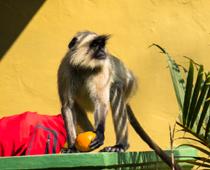
Monkeys can be very sneaky and if you holiday in Bangkok you have to be careful and make sure the monkeys don't steal your food. Why are monkeys sneaky?
-
0%
Because they look sneaky.
-
0%
Because they don't talk.
-
0%
Because they steal your food.
-
0%
Because they hate pizza.
Q.9.
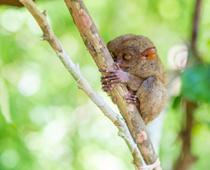
The pygmy marmoset is the smallest type of monkey and the adults only weigh about 120 grams. Now answer this question: What's the name of the smallest monkey?
-
0%
Pygmy marmoset
-
0%
120 grams
-
0%
An ape
-
0%
Monkey
Q.10.
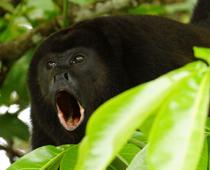
The loudest monkeys are called howler monkeys. You can hear them up to two miles away. Which statement is correct?
-
0%
The howler monkey is the prettiest monkey.
-
0%
The howler monkey is the ugliest monkey.
-
0%
The howler monkey is the quietest monkey.
-
0%
The howler monkey is the loudest monkey.